
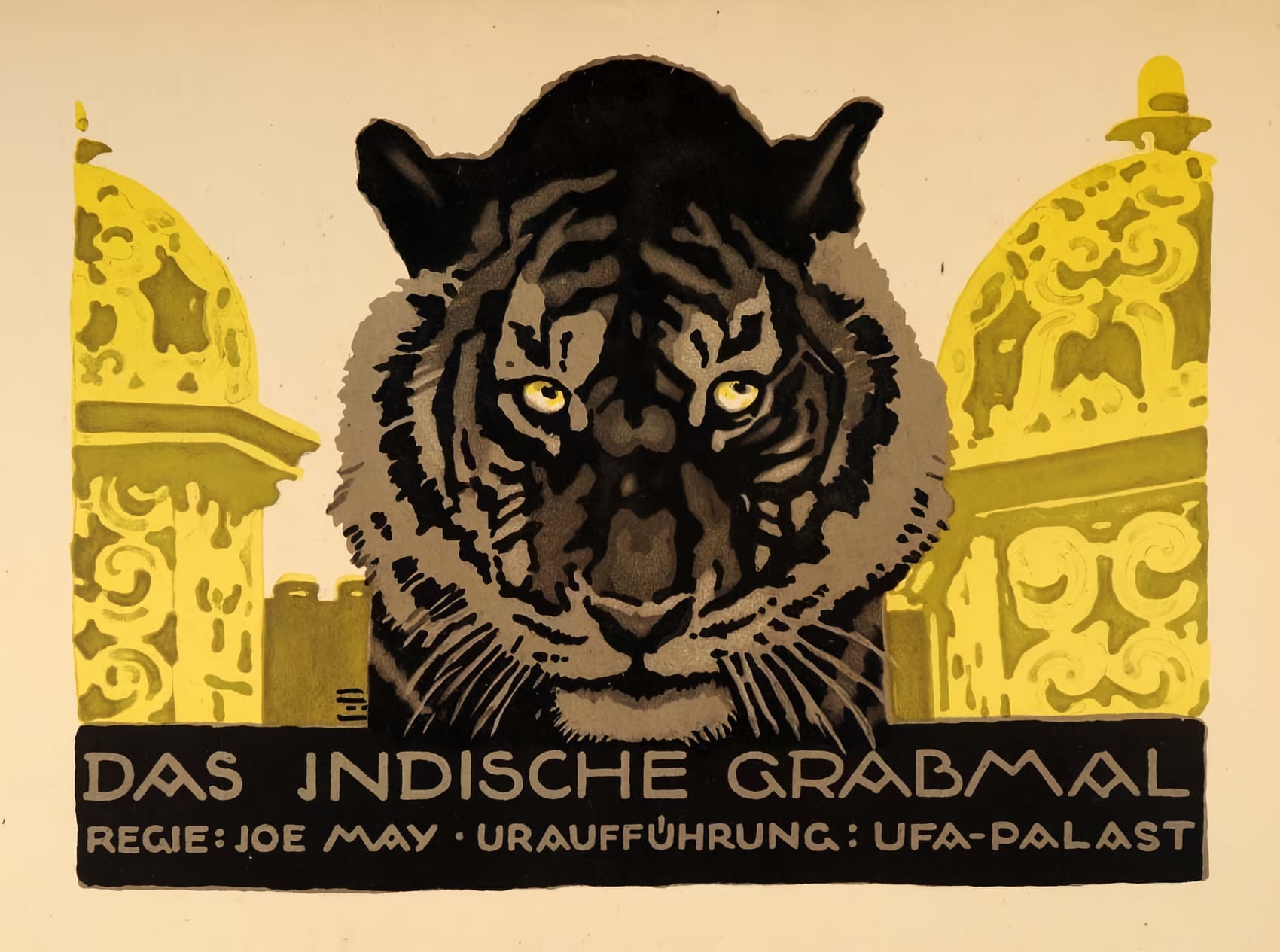
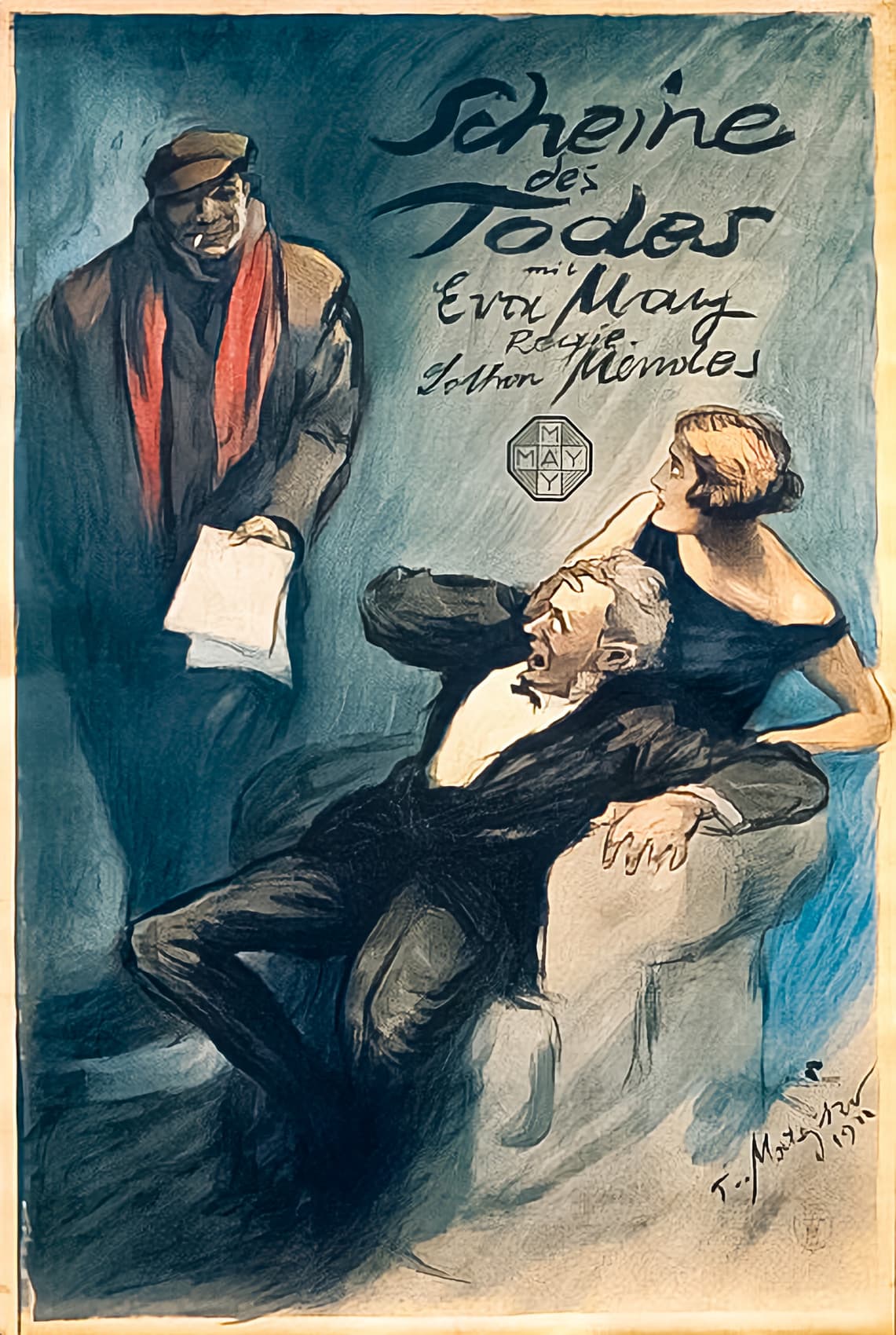
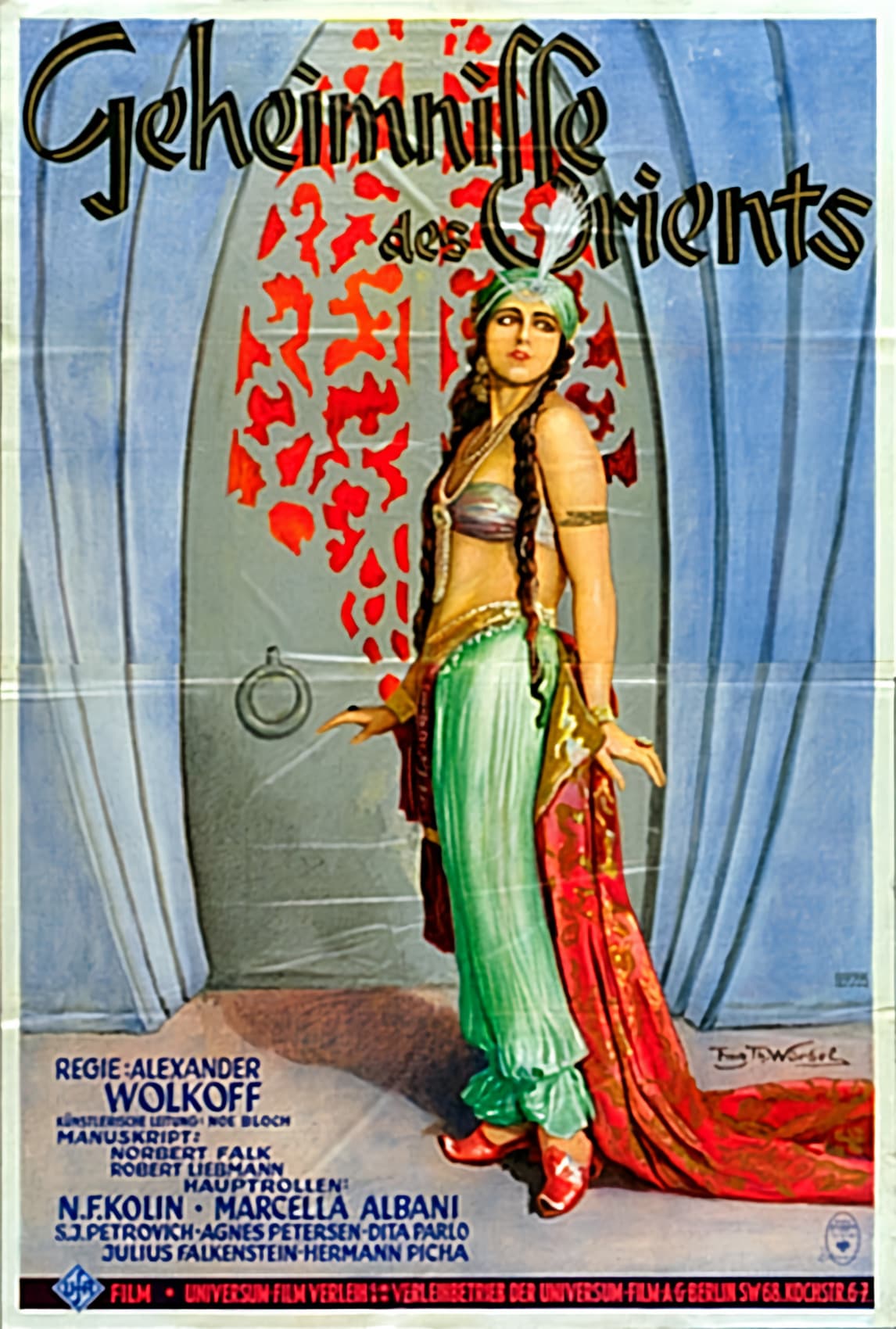
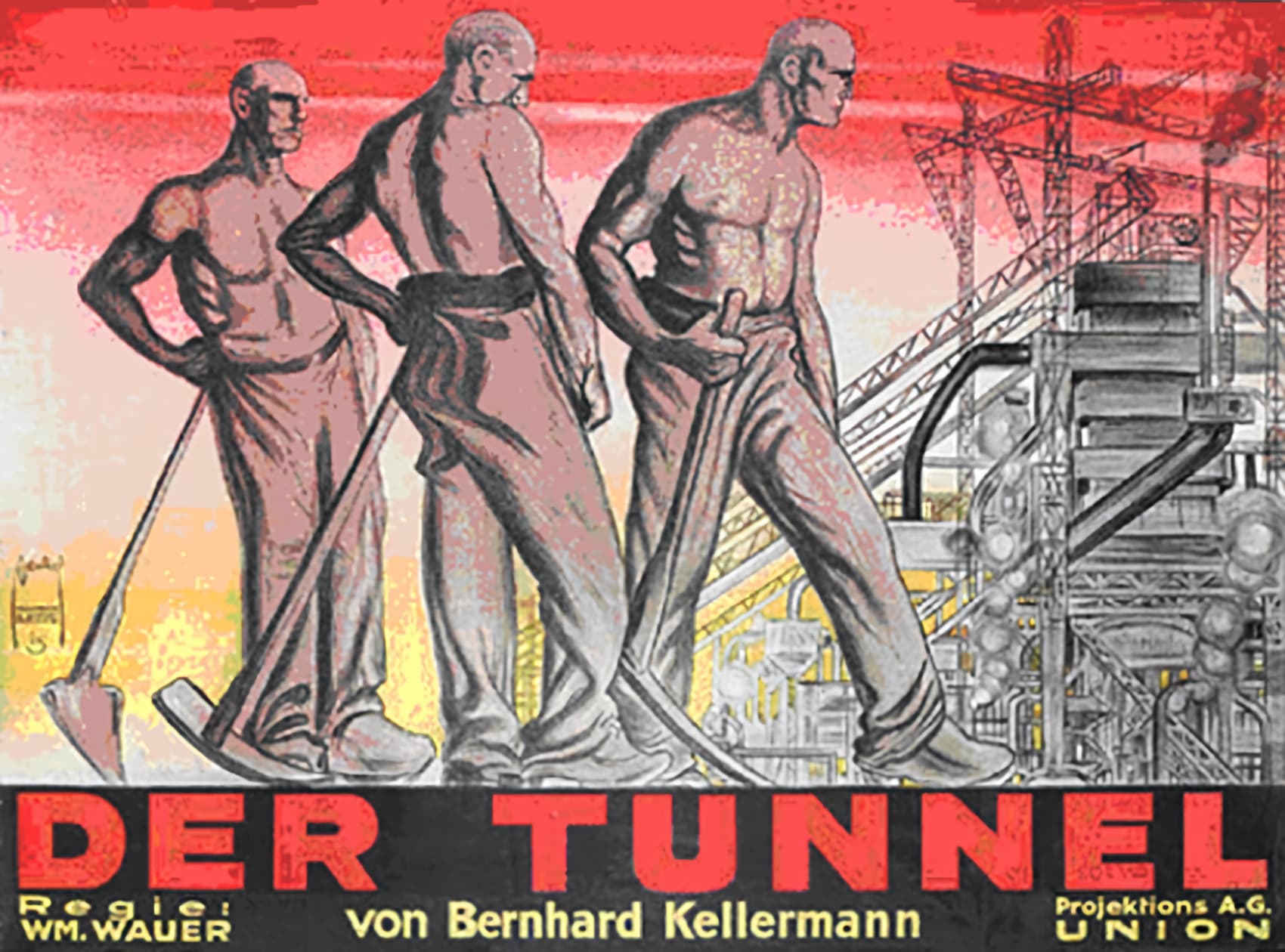


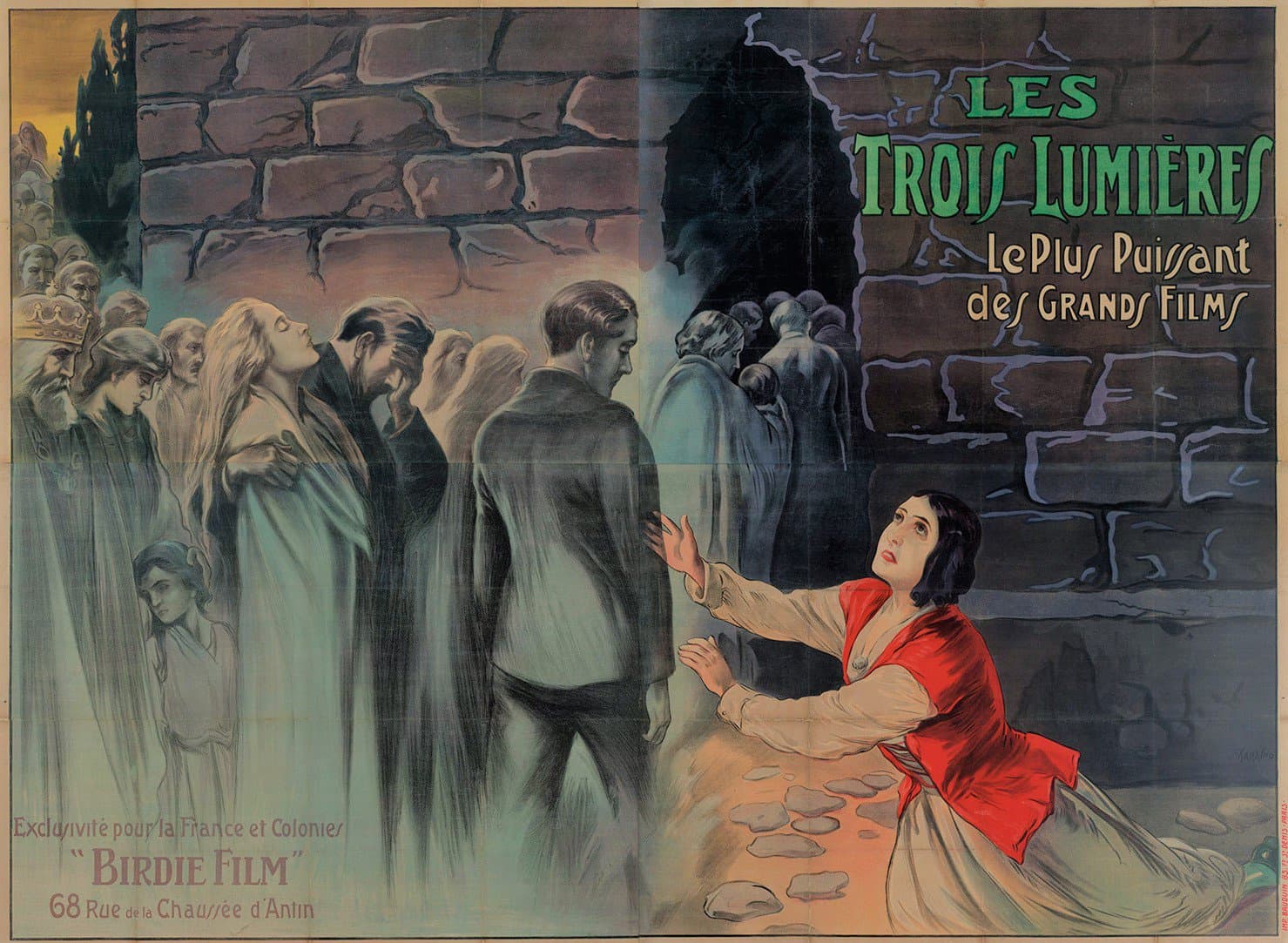
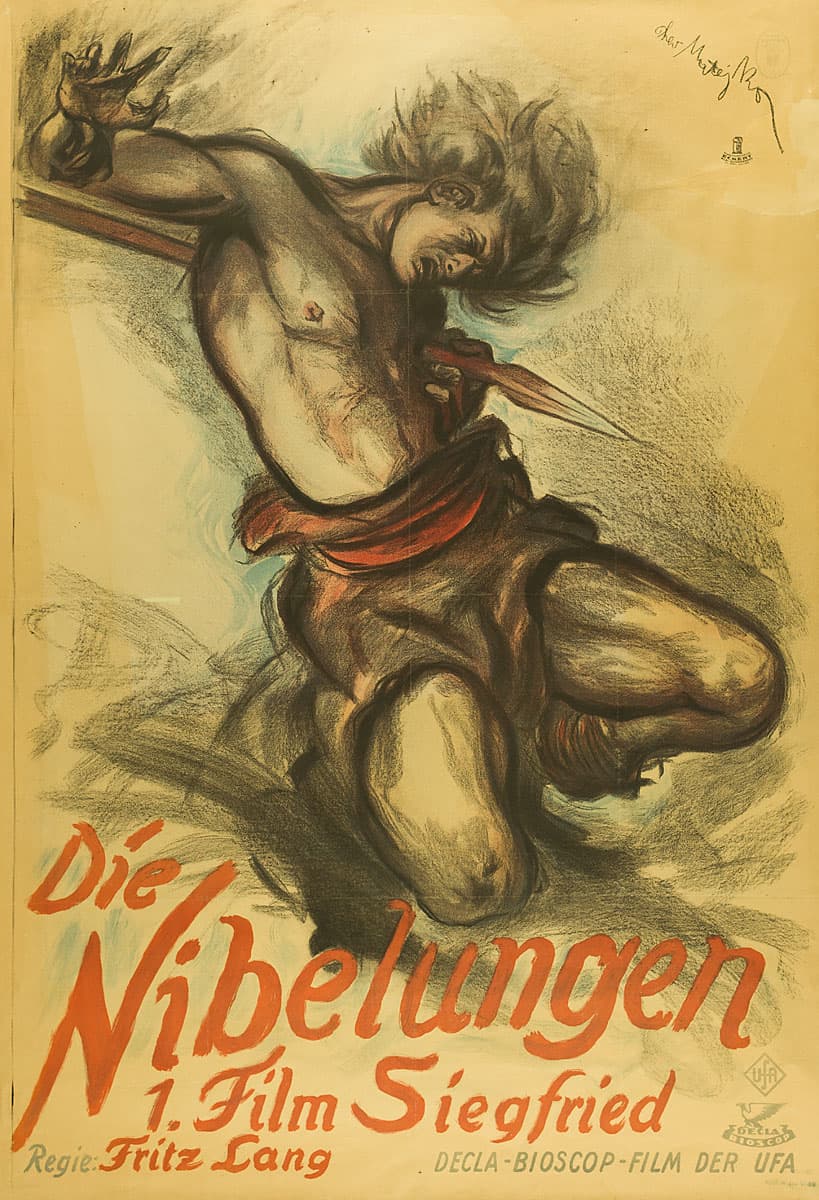
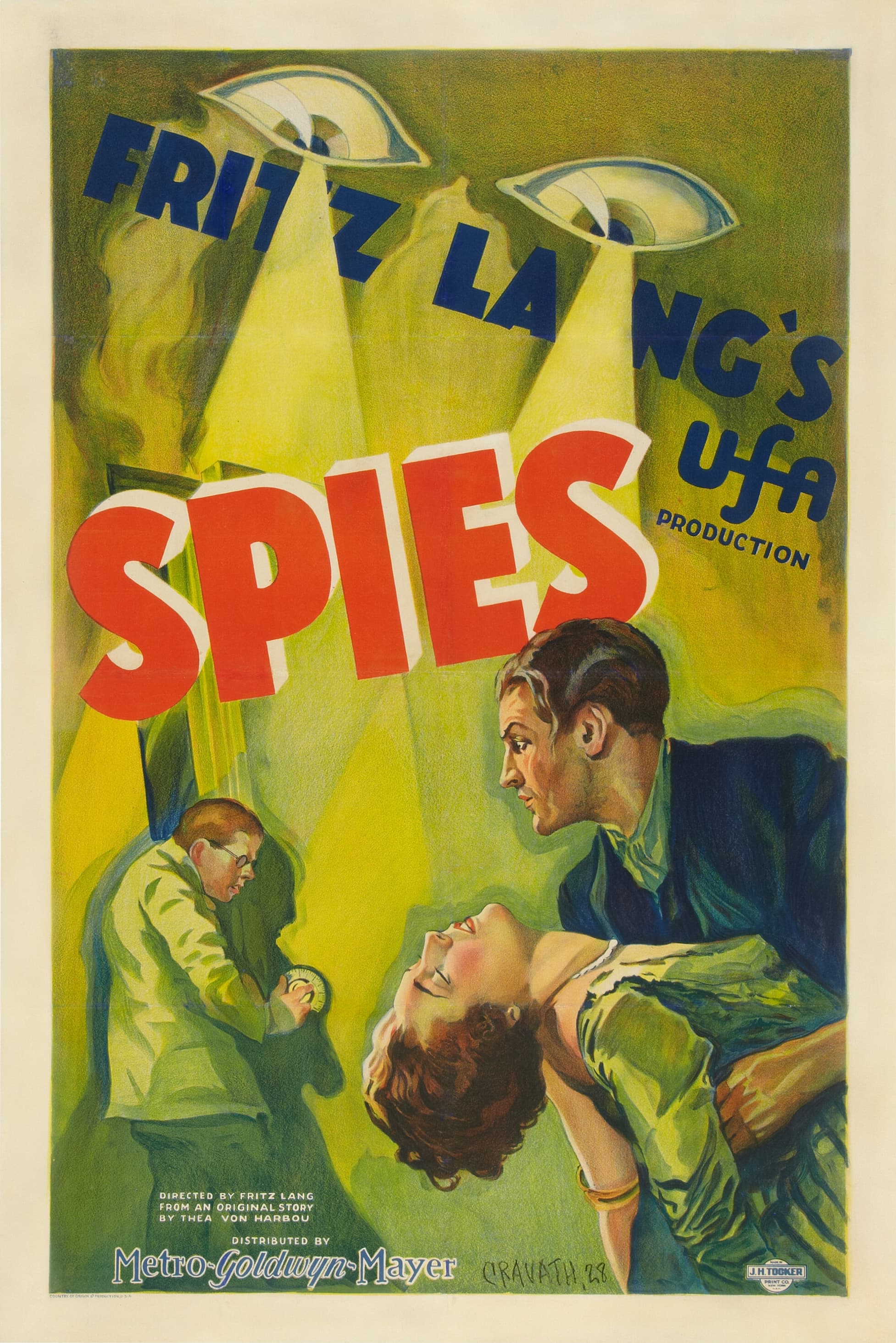


Now showing · the first era of film
The movies before they could speak.
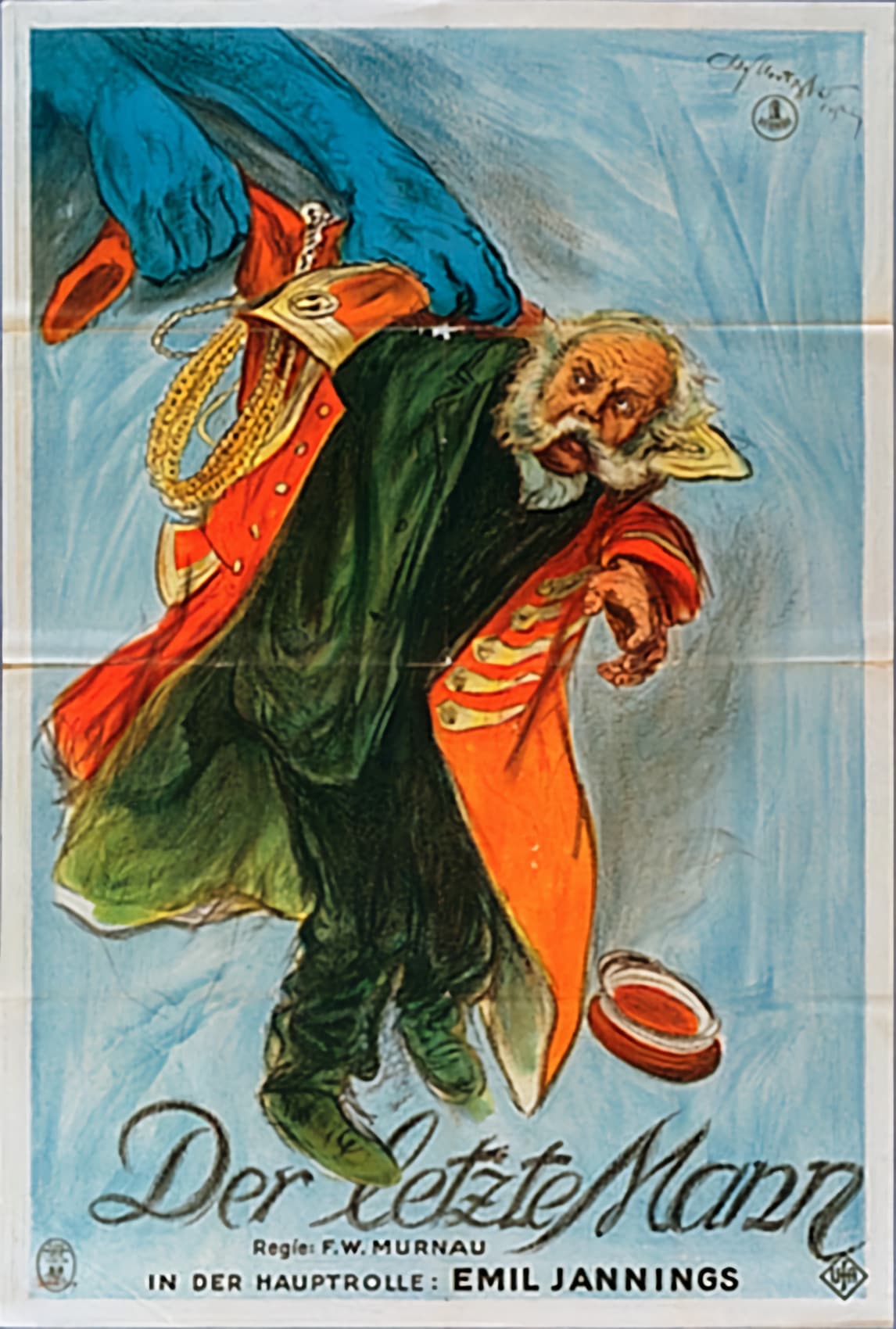
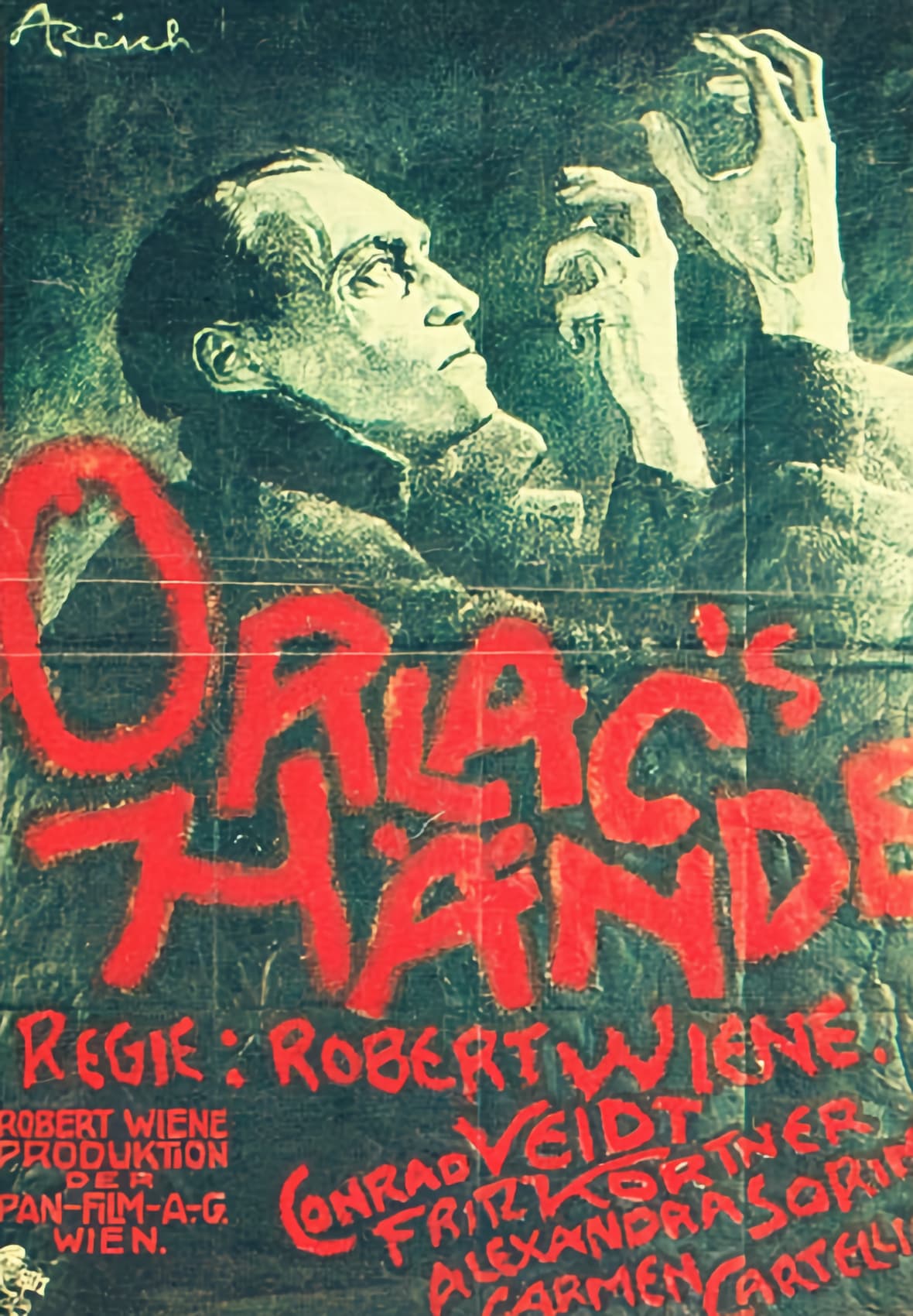
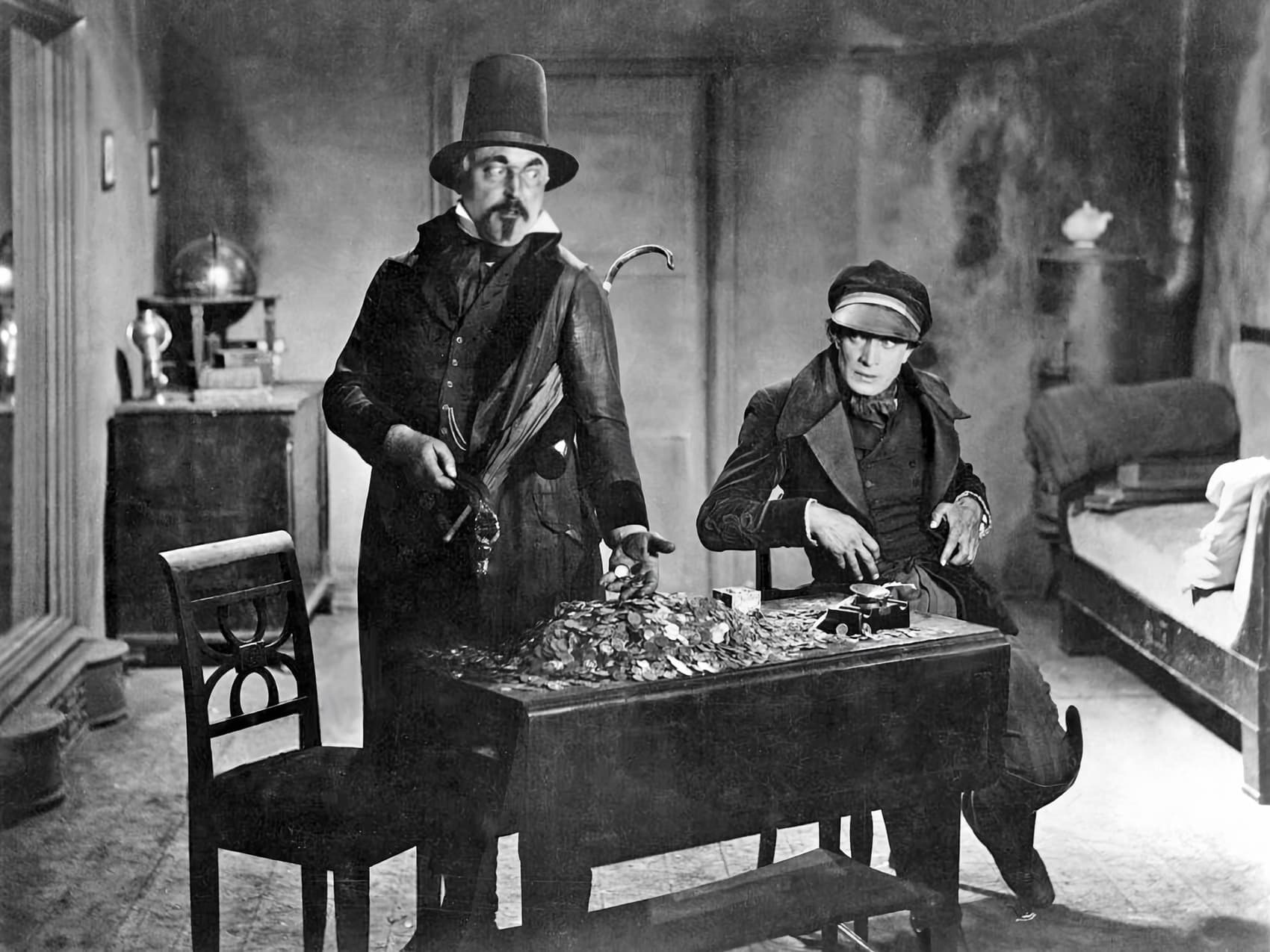
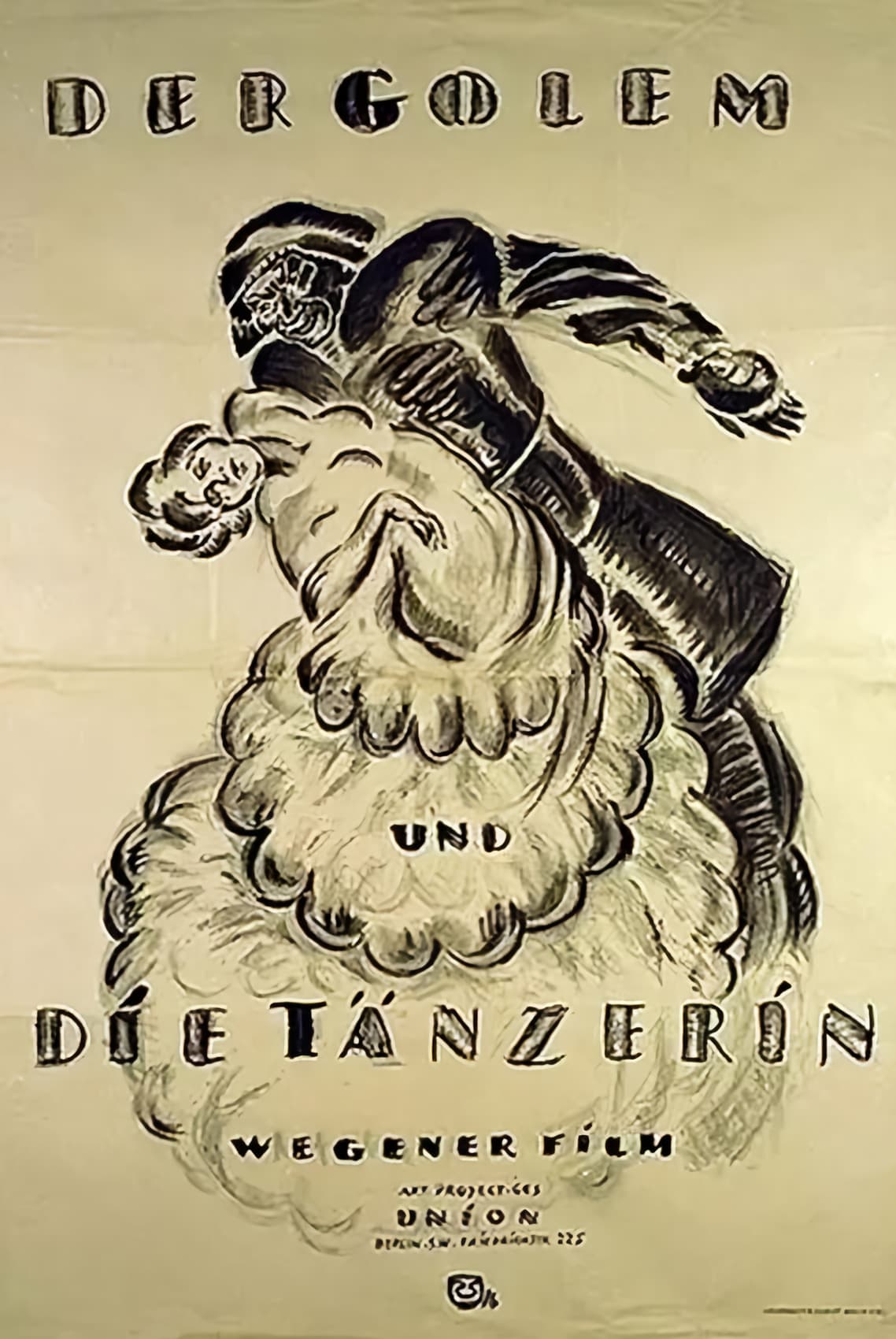
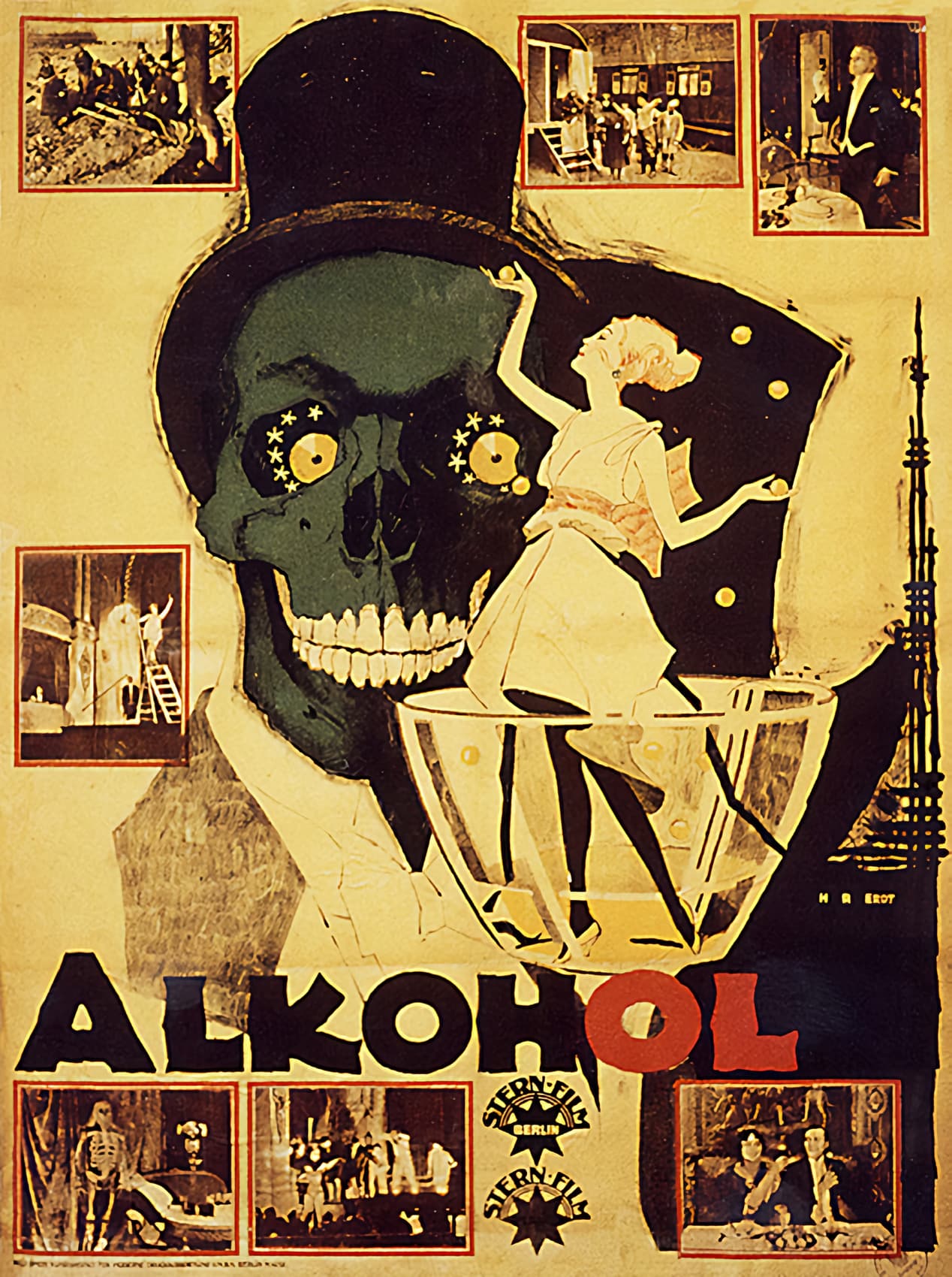
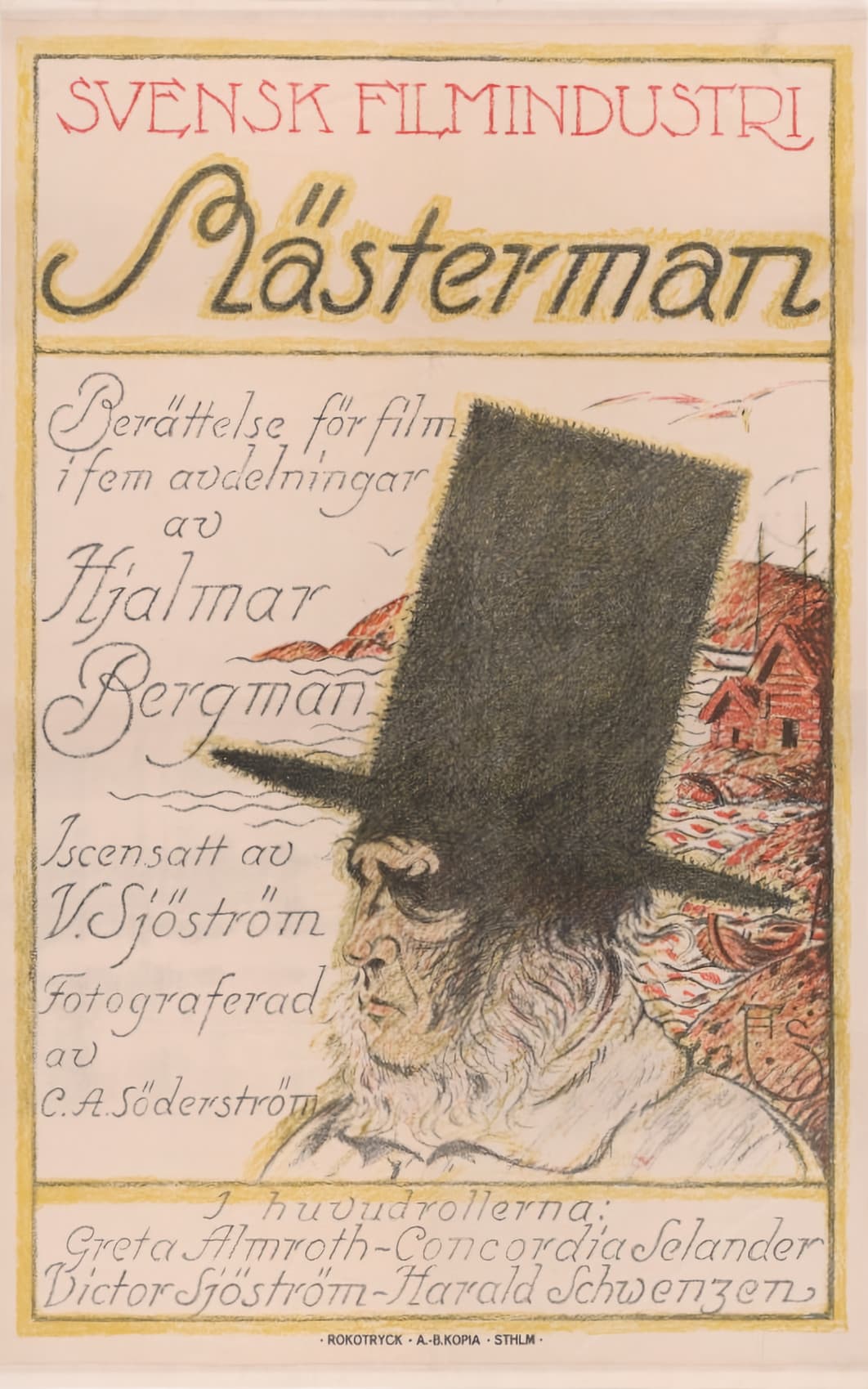
Museum-grade reproductions of public-domain film posters and lobby cards — German Expressionism, Soviet montage, the American silent, the deco French screen. Lithographs printed to be rented, returned, and destroyed. What survives, survives by exception.
6 collections · the poster as the historic artifact, the film named, the star incidental
In rooms like these
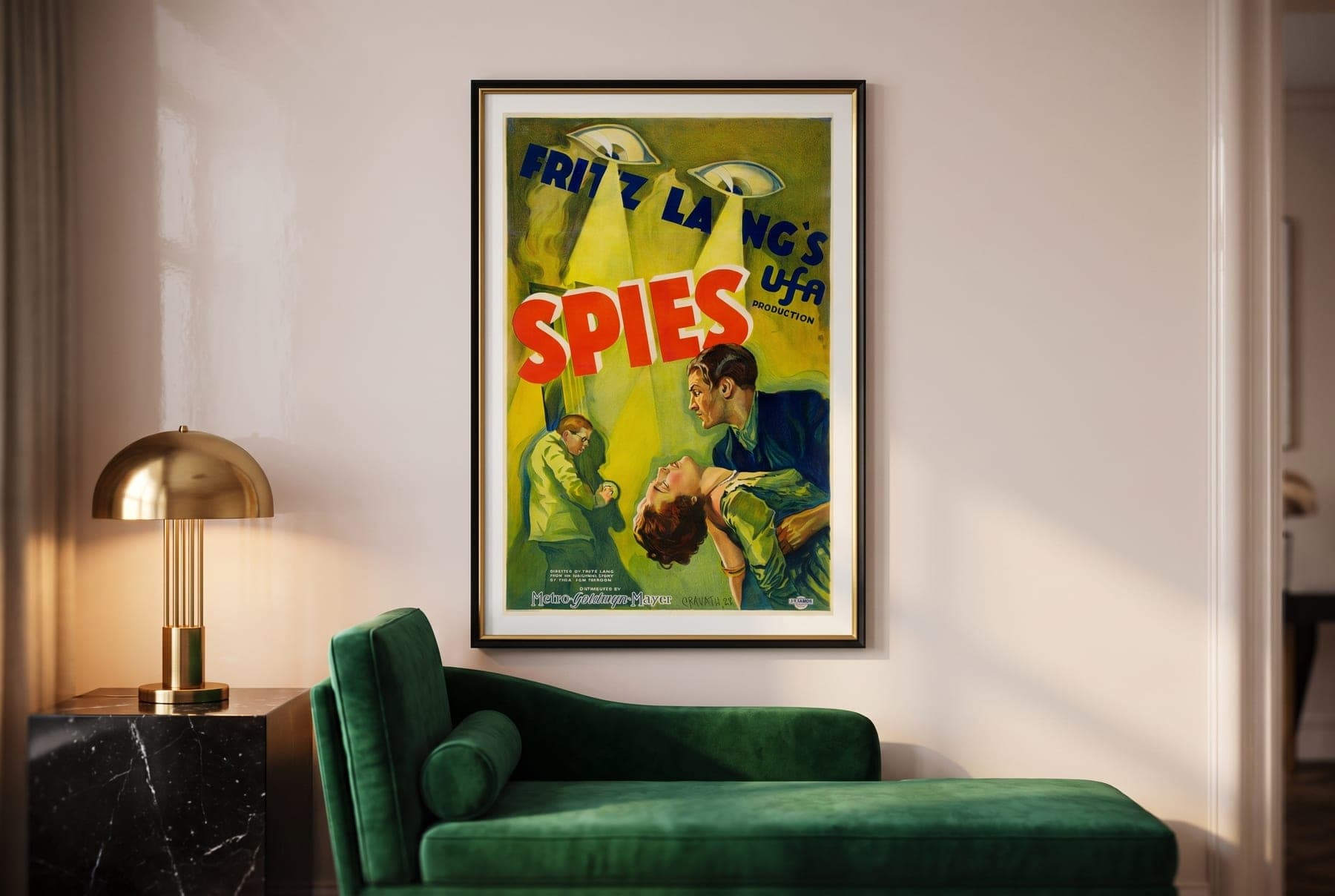
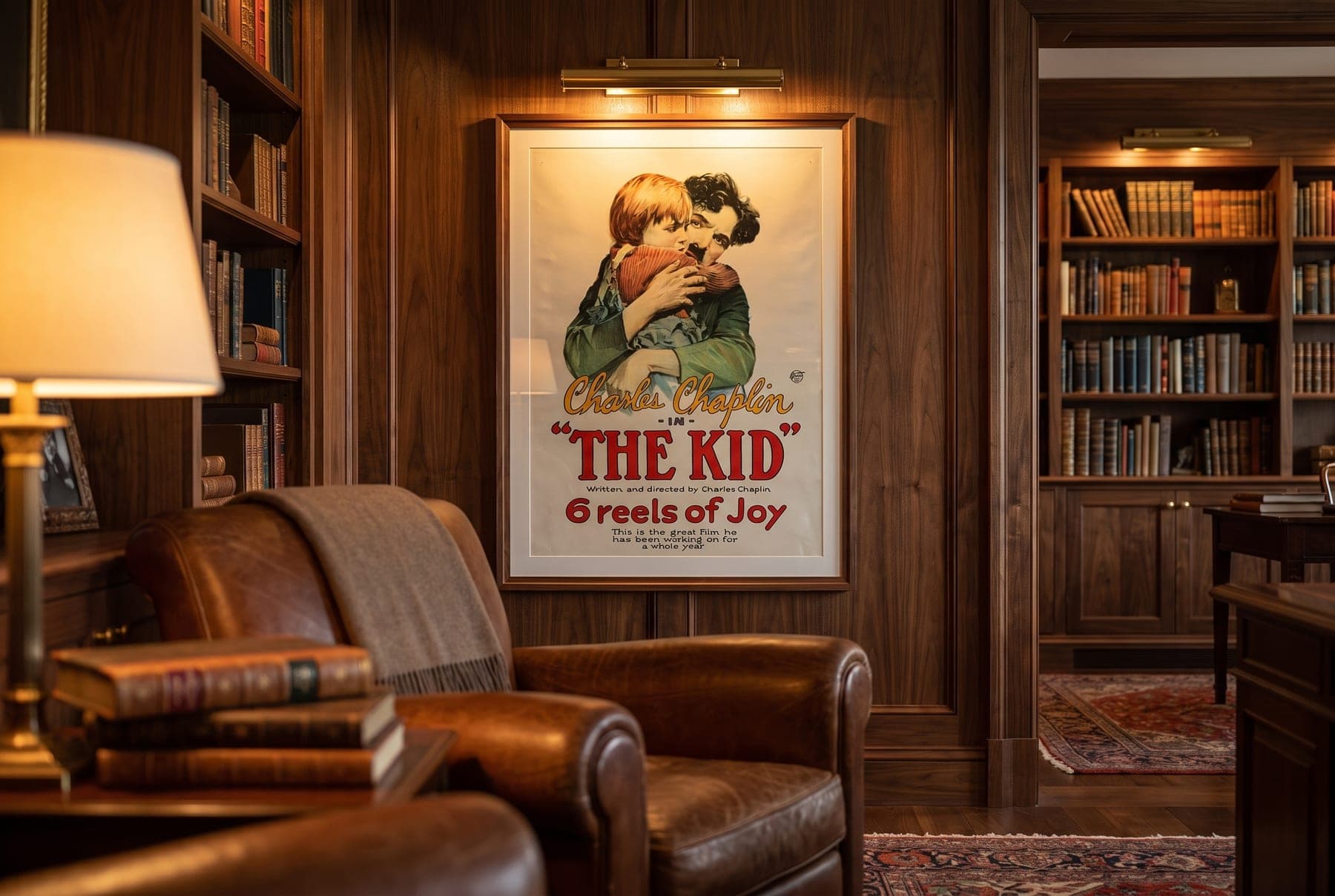
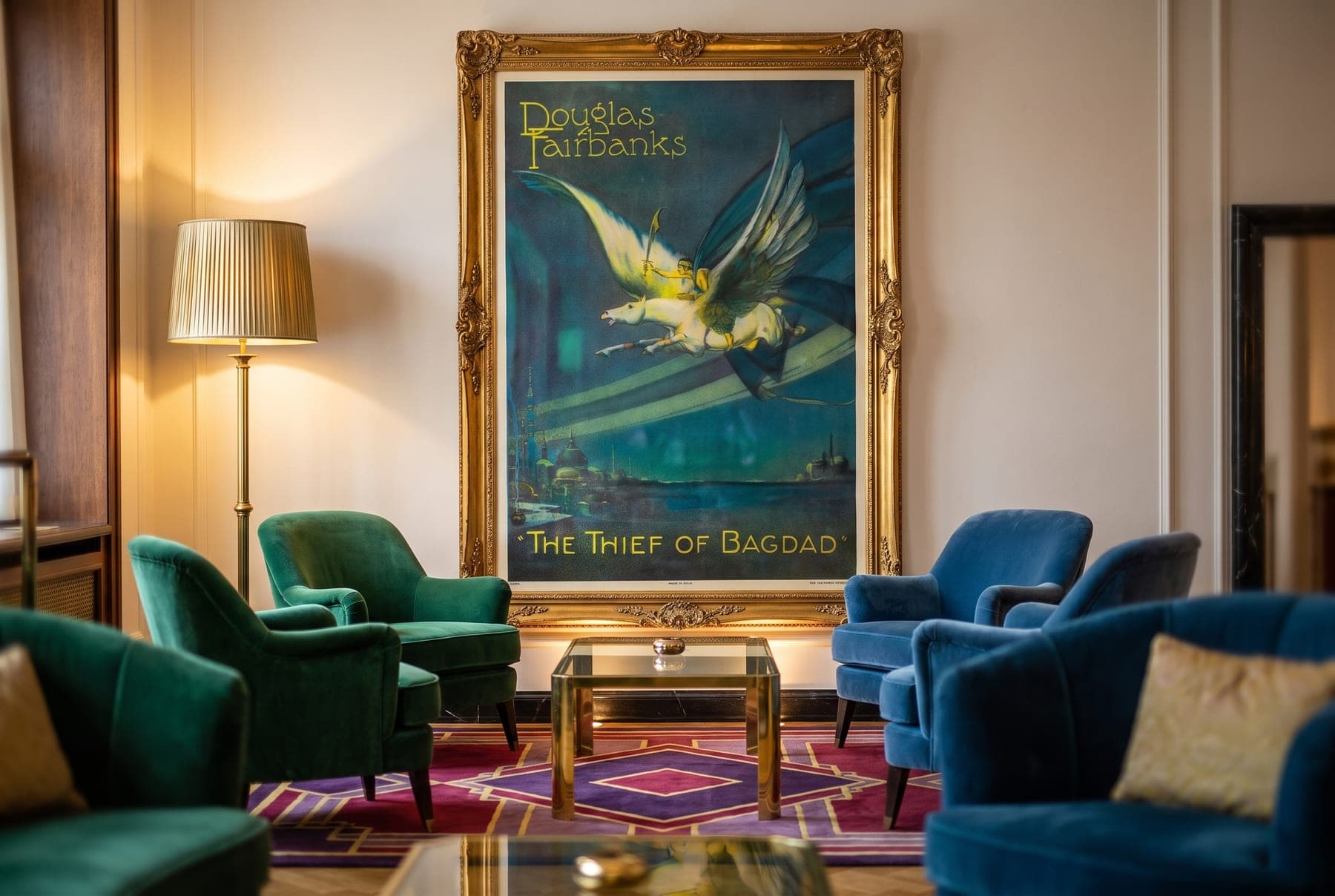
Framed, lit, and hung — the reproductions in the drawing rooms and private theatres they were made for. A rendering, honestly labeled; the print is the archival scan, not the room.
A Programme in Five Reels · 1920–1927
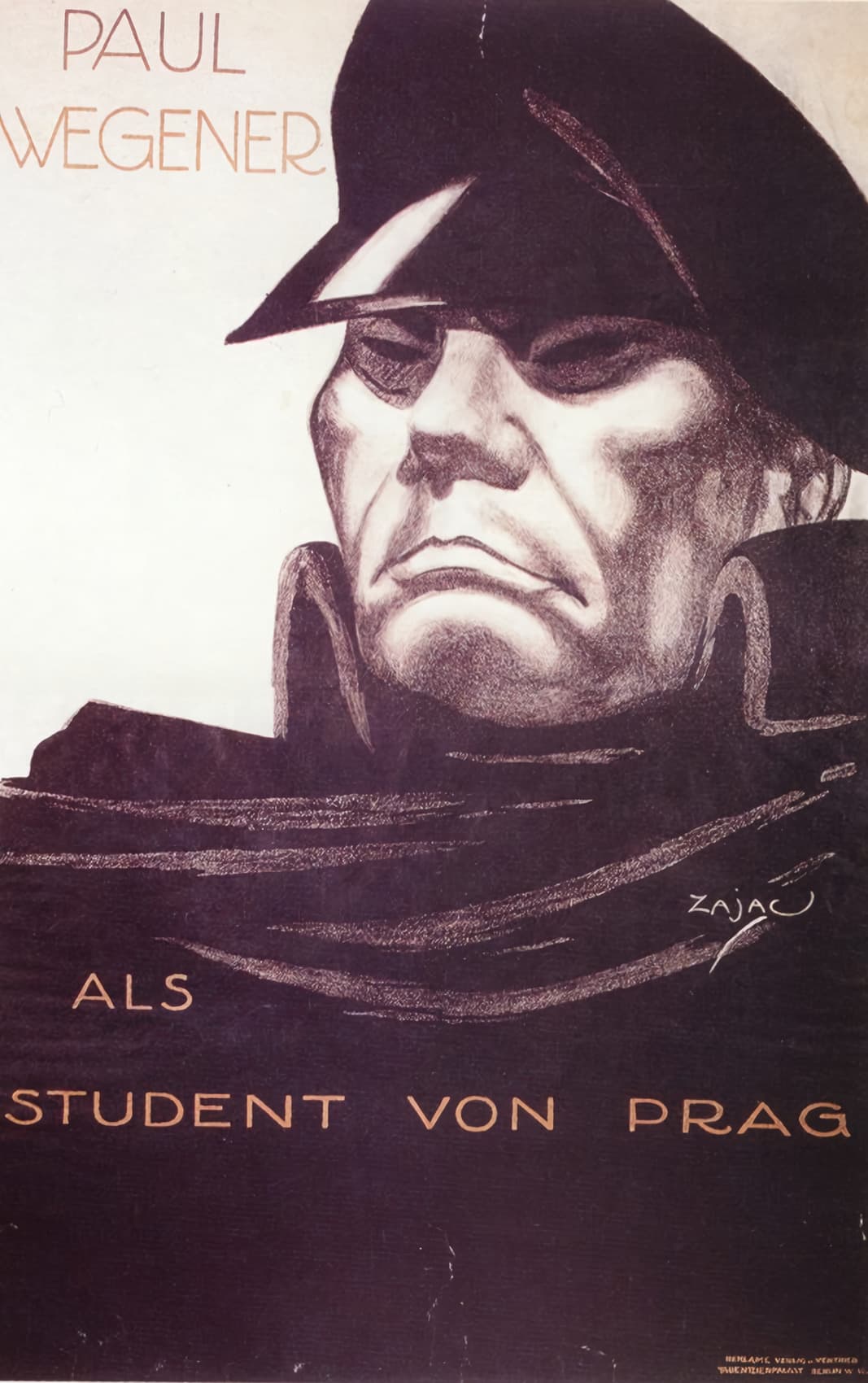
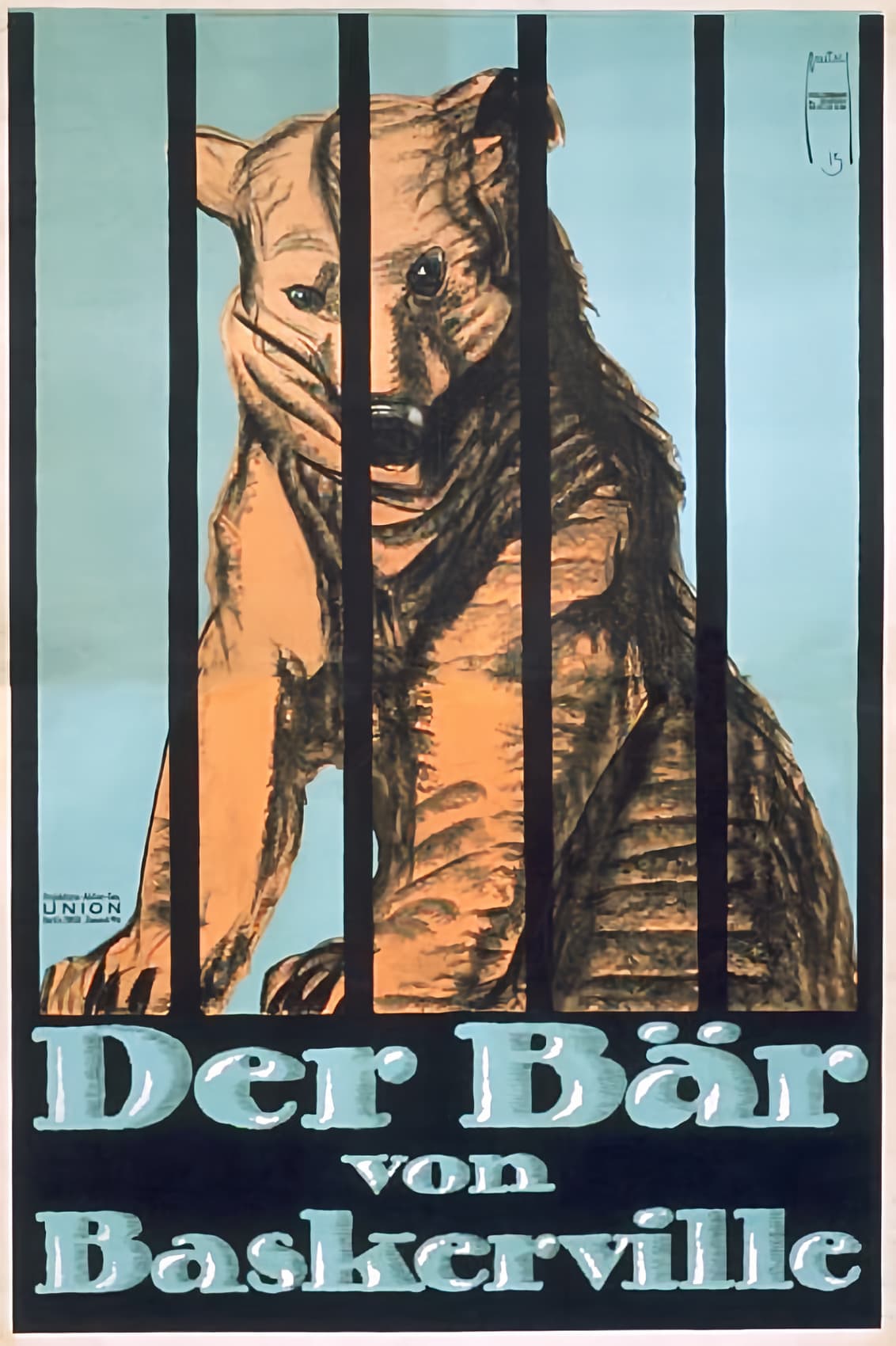
German Expressionism — shadow printed to the stone.
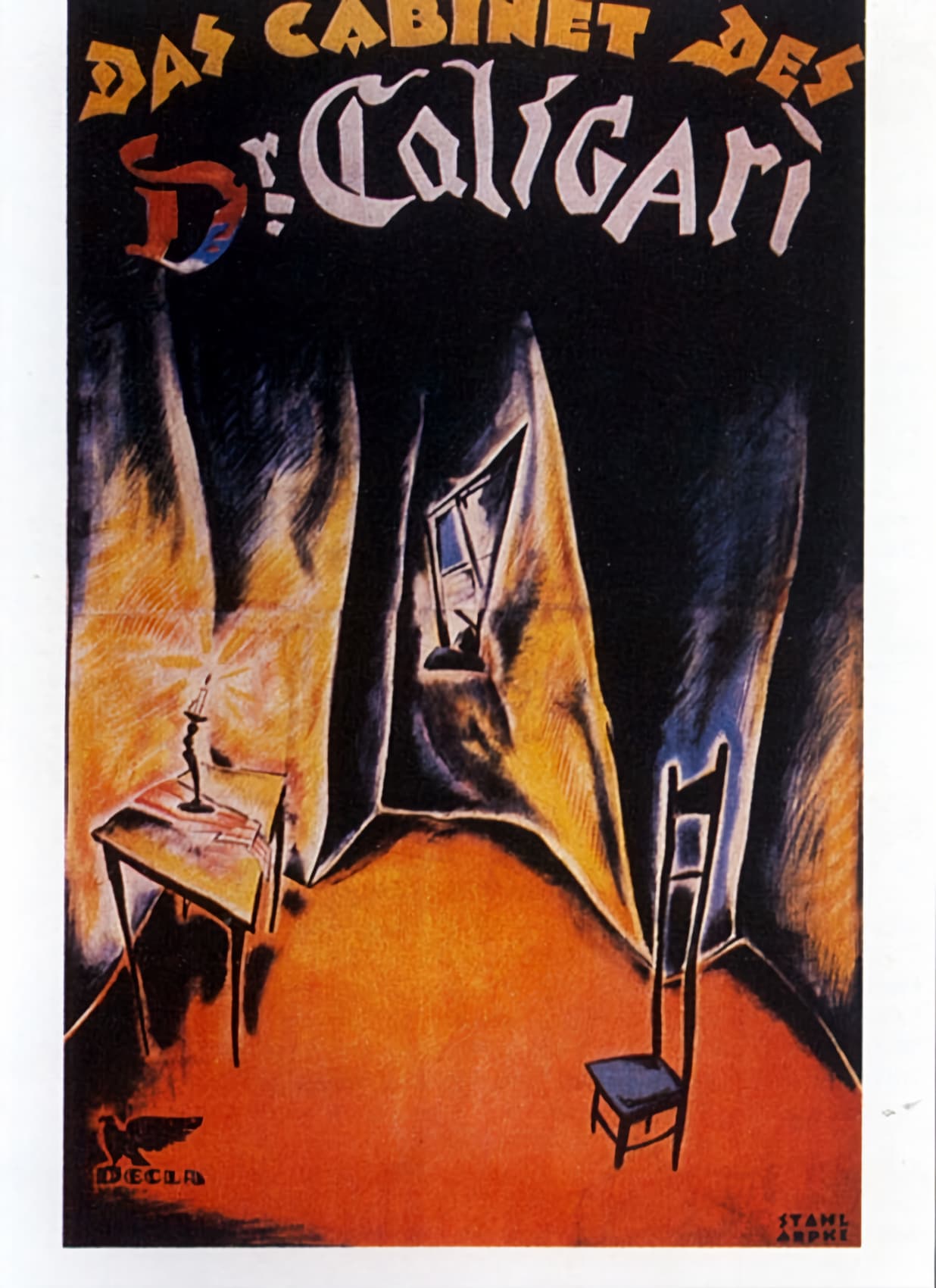
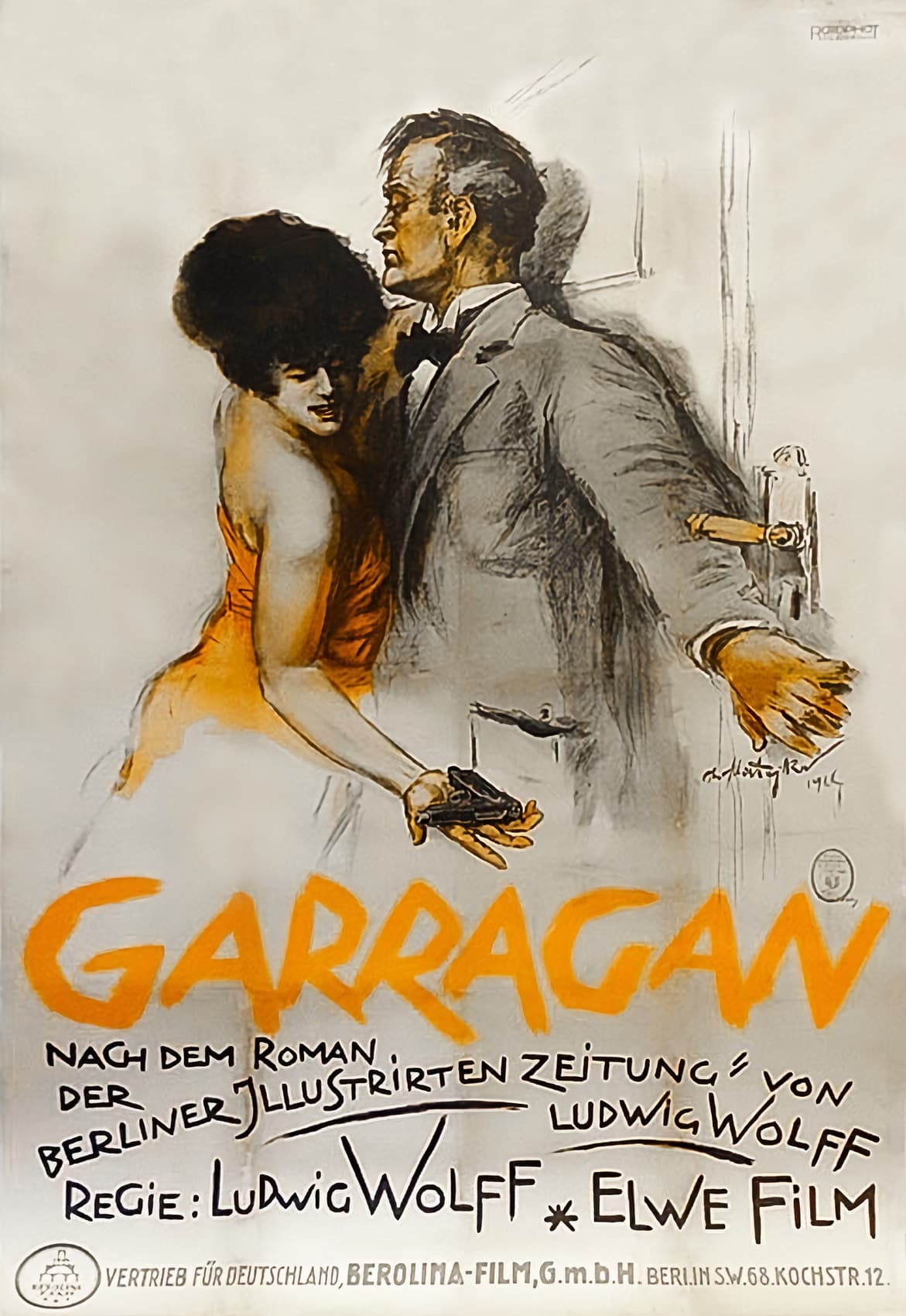
Caligari’s crooked town, Nosferatu’s stair, the Golem’s clay, the machine-woman in gold. When German cinema learned to paint with darkness, its posters learned it too — angular, dread-struck, unmistakable. The house’s crown hangs here: the Schulz-Neudamm one-sheet for Metropolis.
Enter The Haunted Screen(39)The New Vision · 1924–1930
Soviet montage — the poster as engine.
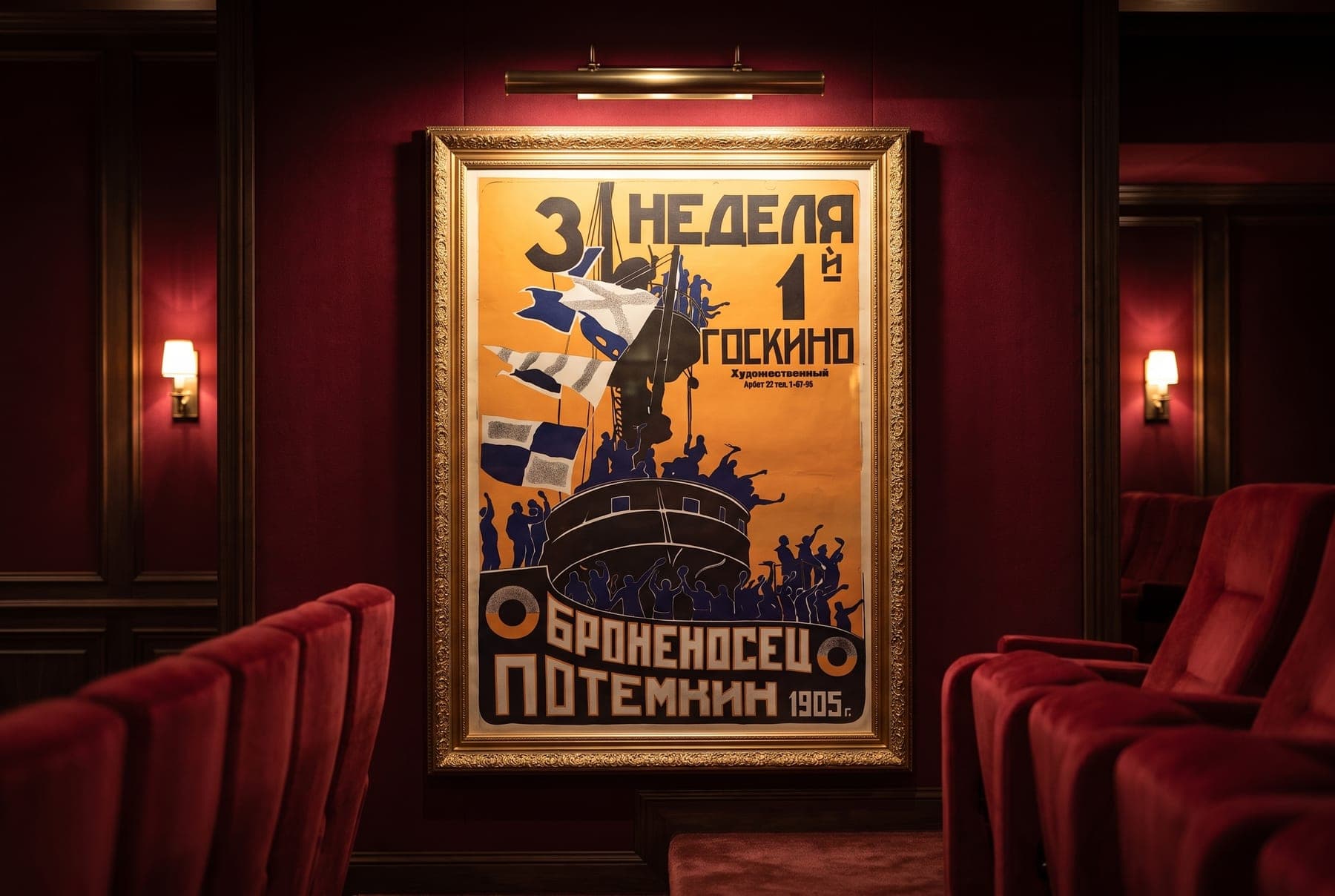
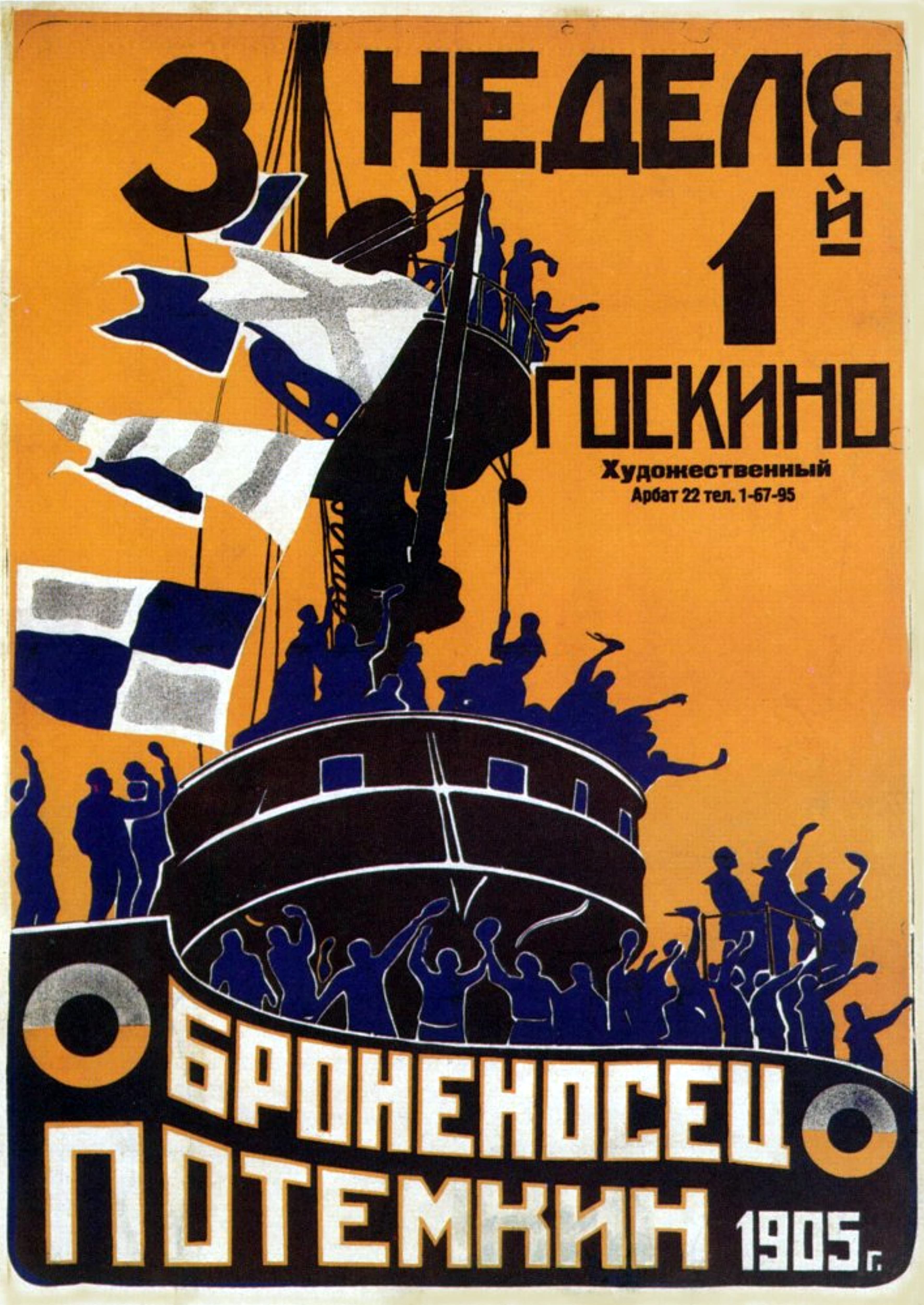
In the wake of the Stenberg brothers and Rodchenko, a whole school built posters the way the films were cut — from fragments, on the diagonal, in red and black. The sheets here are that movement’s lithographs: motion itself, translated to the stone. (The Stenbergs’ own originals sit almost entirely in museum vaults; we hang the public-domain work of the hands who drew alongside them.)
Enter The Constructivists(27)The Feature Presentation · 1923–1928
One-sheets, window cards, and lobby cards from the American silent.
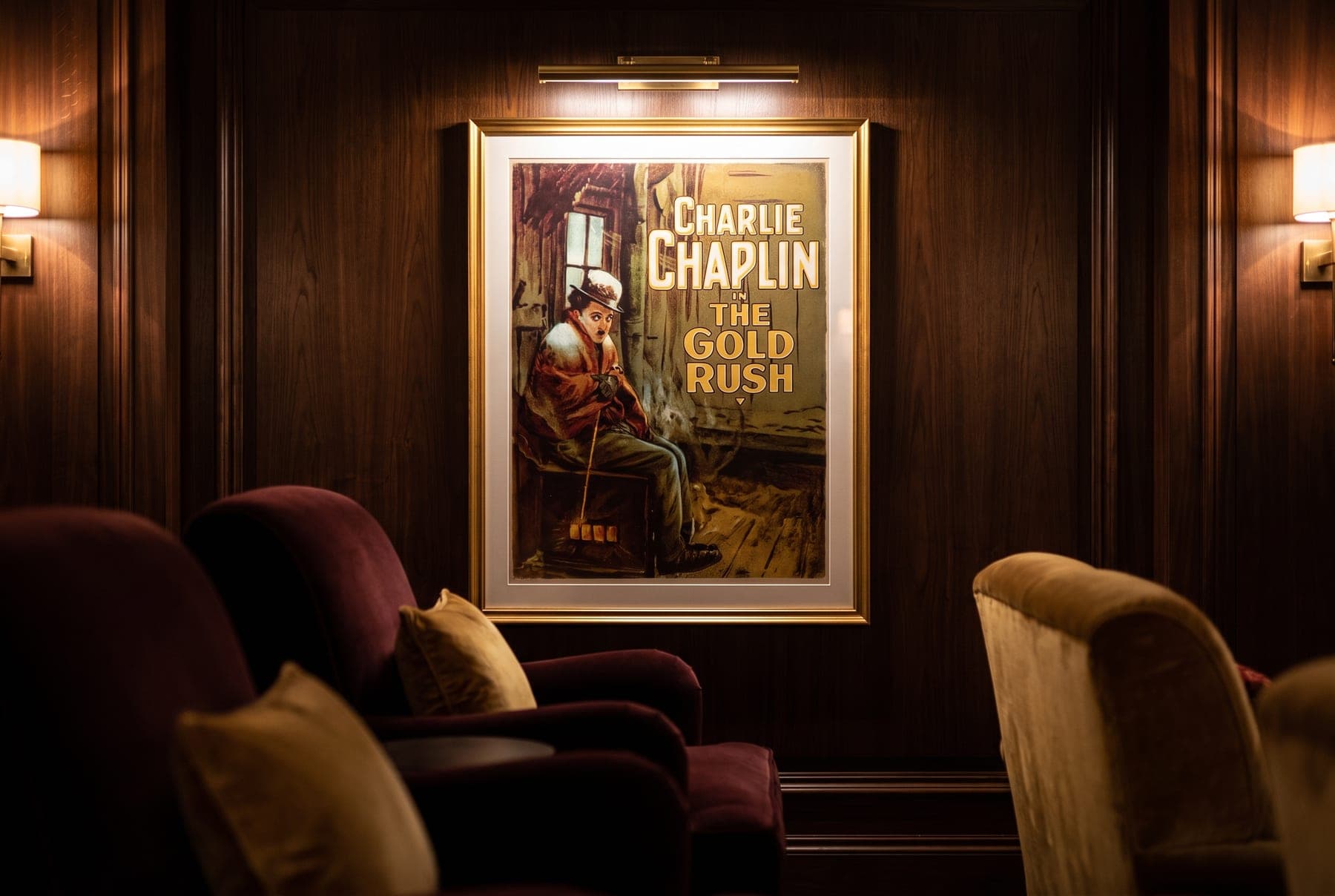
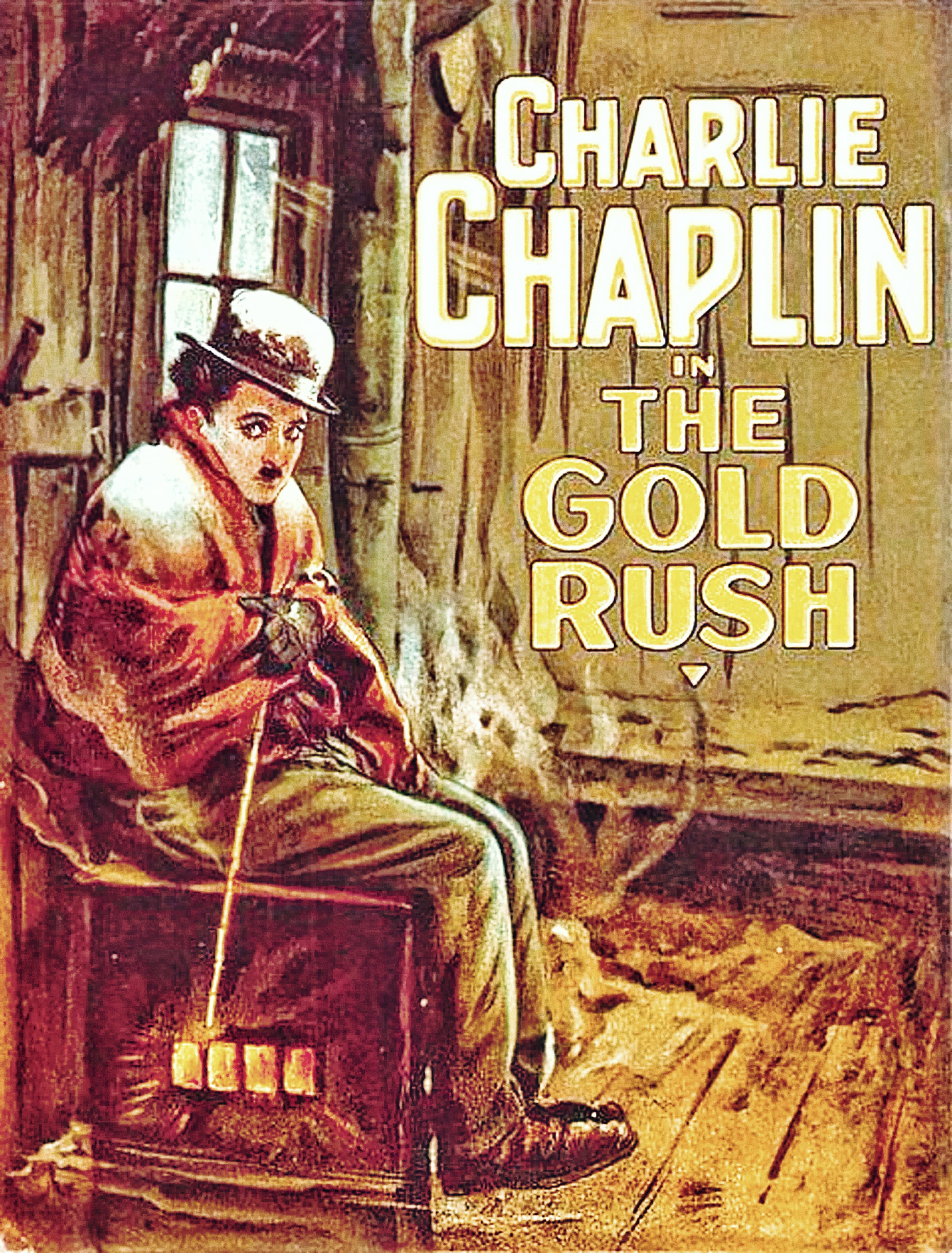
The tramp, the stone face, the man on the clock, the phantom’s unmasking. American silent cinema at its height — sold on paper that was rented, returned, and destroyed. What survives, survives by accident.
Enter Silent Hollywood(47)Le Grand Écran · 1924–1930
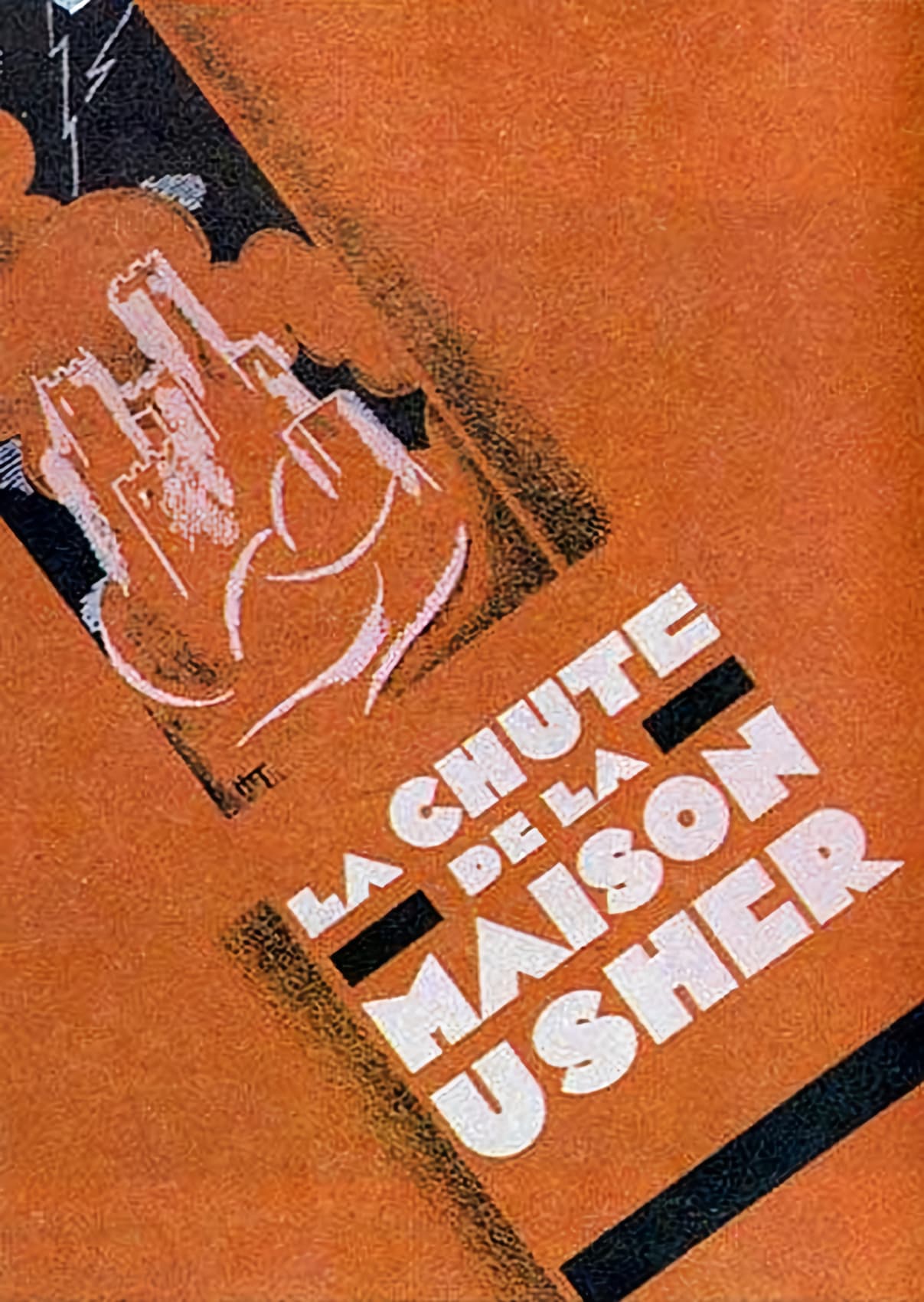
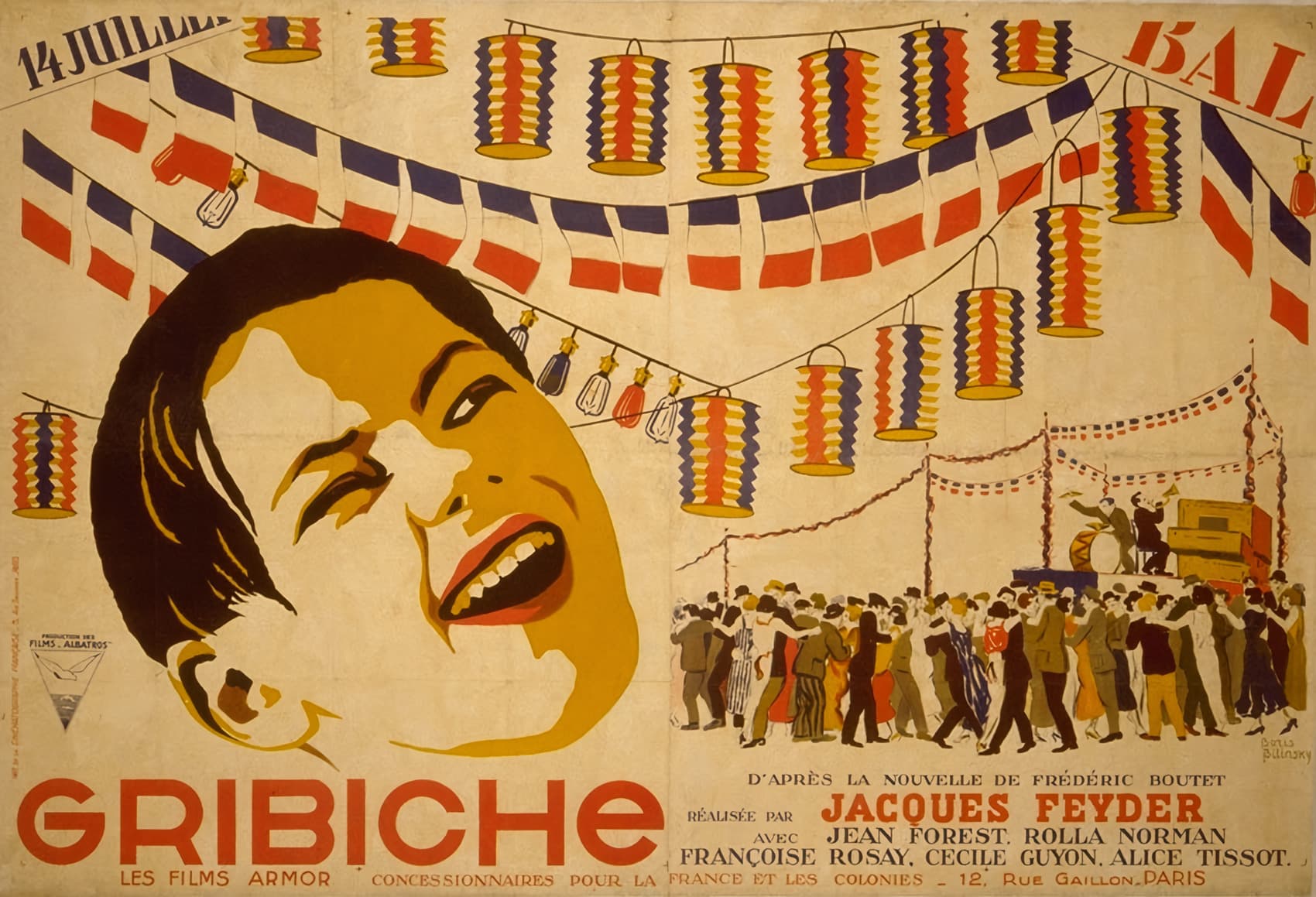
Deco-era French cinema — the poster as couture.
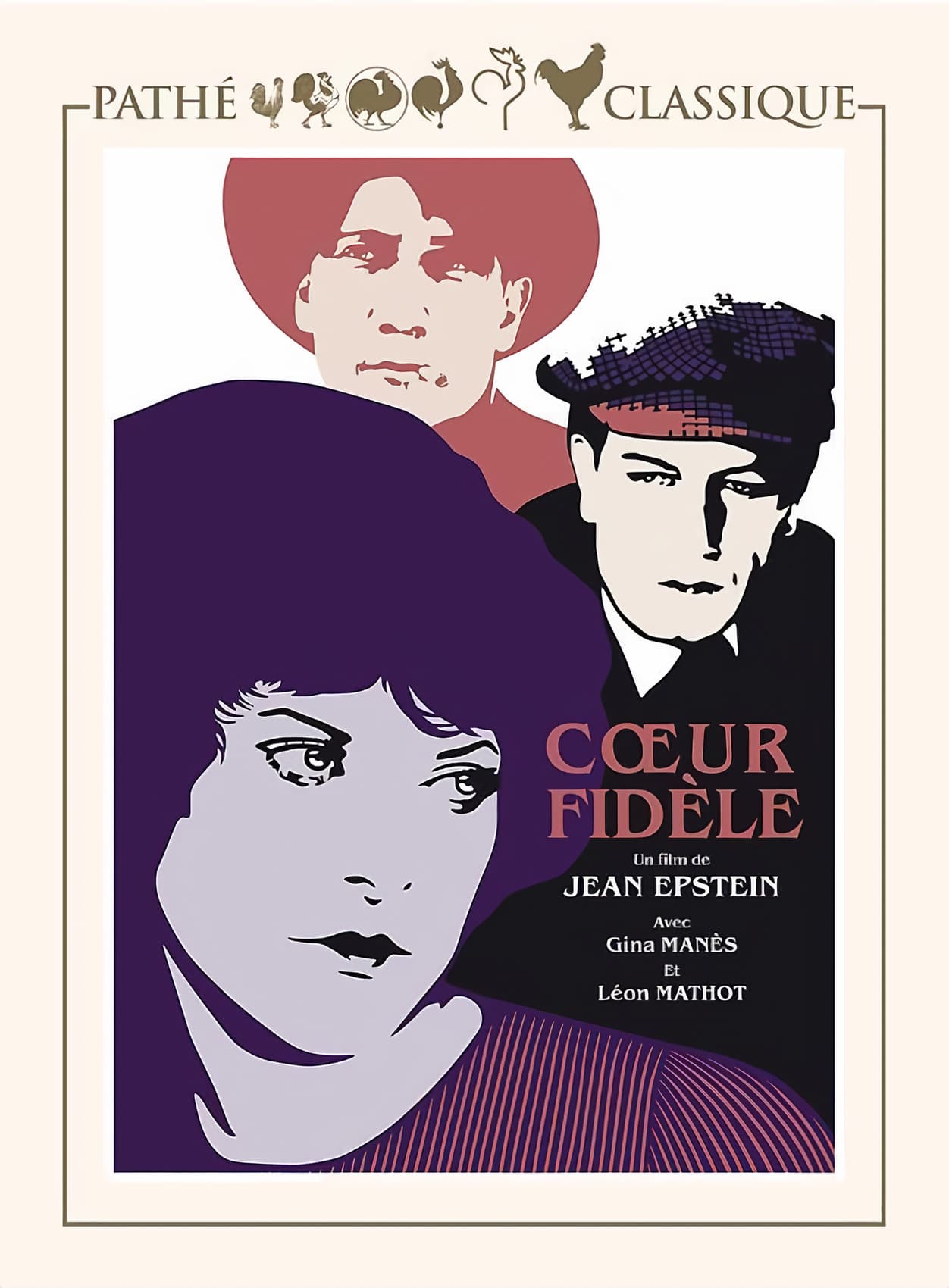
Paris took the new cinema and dressed it in Art Deco. Boris Bilinsky’s Paris one-sheet for Metropolis leads a screen of lacquered geometry and lettering that behaves like architecture.
Enter The French Screen(30)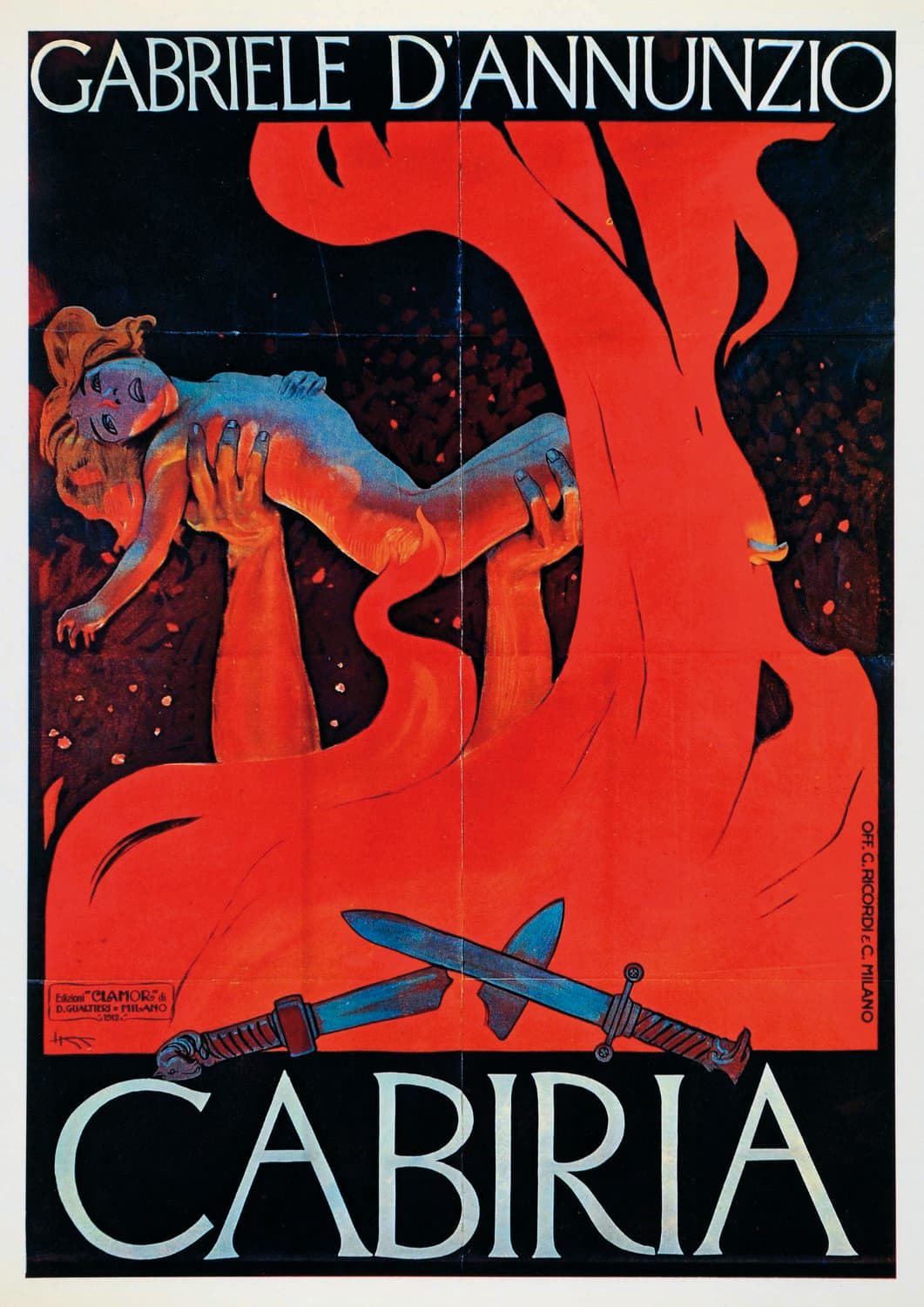
Everywhere Else At Once · 1913–1930
The silent era did not happen in four countries.
Rome had its divas and its thousand-extra epics; Stockholm and Copenhagen had landscapes that acted; Tokyo, Warsaw, Prague and Budapest had houses of their own. Cinema arrived nearly everywhere at once, and everywhere the local printers answered it in their own hand. This is the rest of the world’s paper.
Enter The World Screen(25)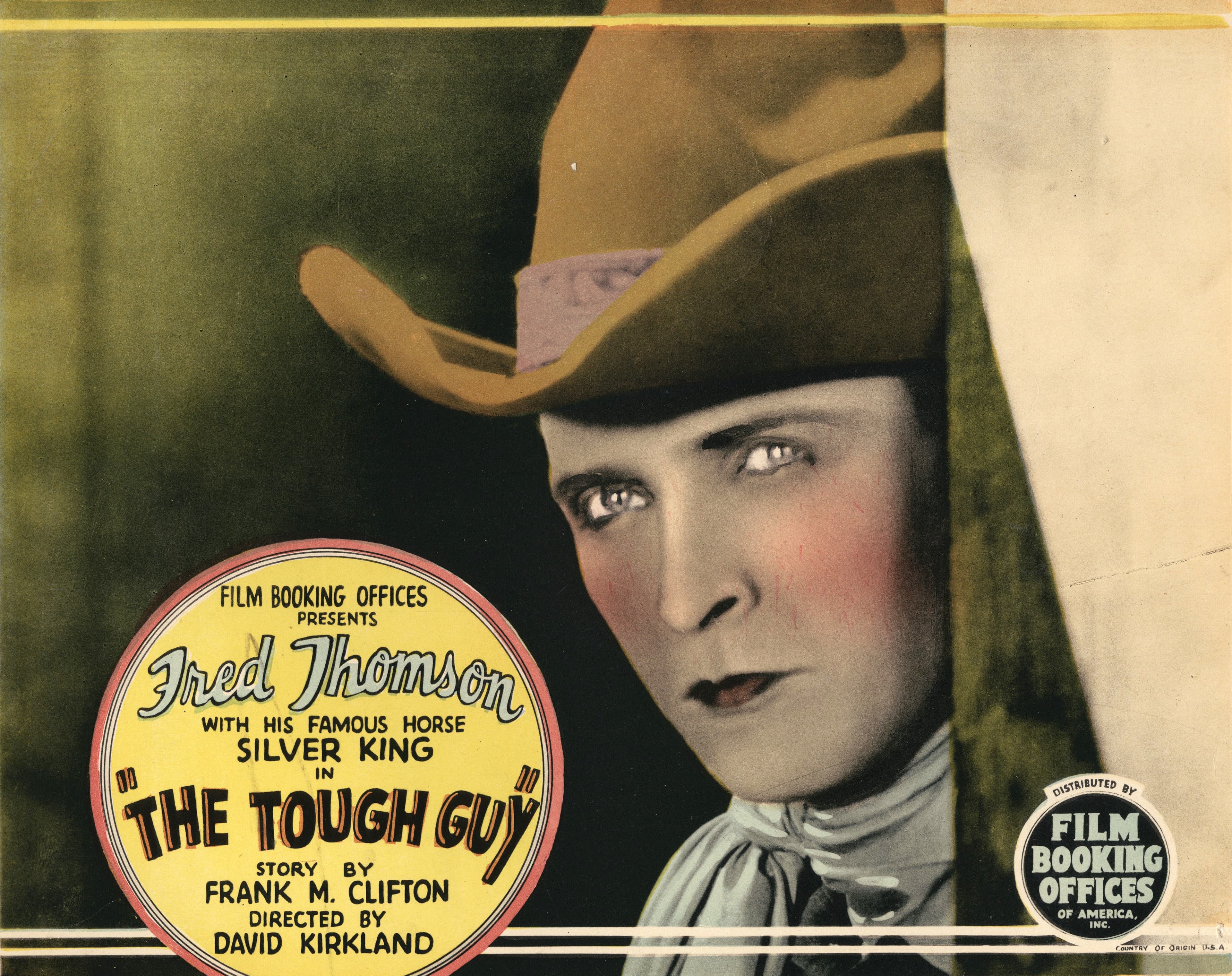
In the Lobby, As They Hung · 1920s
The eight-card sets, sold as they hung.
A lobby card set was a film in eight frames — a title card and seven scenes, pinned in the lobby to sell the show. We reproduce the sets whole, as sets, the way the palace hung them.
See the sets(15)The annual ritual
Every January 1, a new slate steps out from behind the velvet rope — the posters whose copyright has just expired, dimmed and dated until the clock strikes. Next up: the 2027 slate. Be first at the premiere.
See what unlocks nextThese were lithographs — drawn on stone, printed by the thousand, hung for a week, then returned and destroyed. They were never meant to survive. We restore what did, honestly, and print it museum-grade to last another century. Not a poster reprint. A reproduction with a provenance.
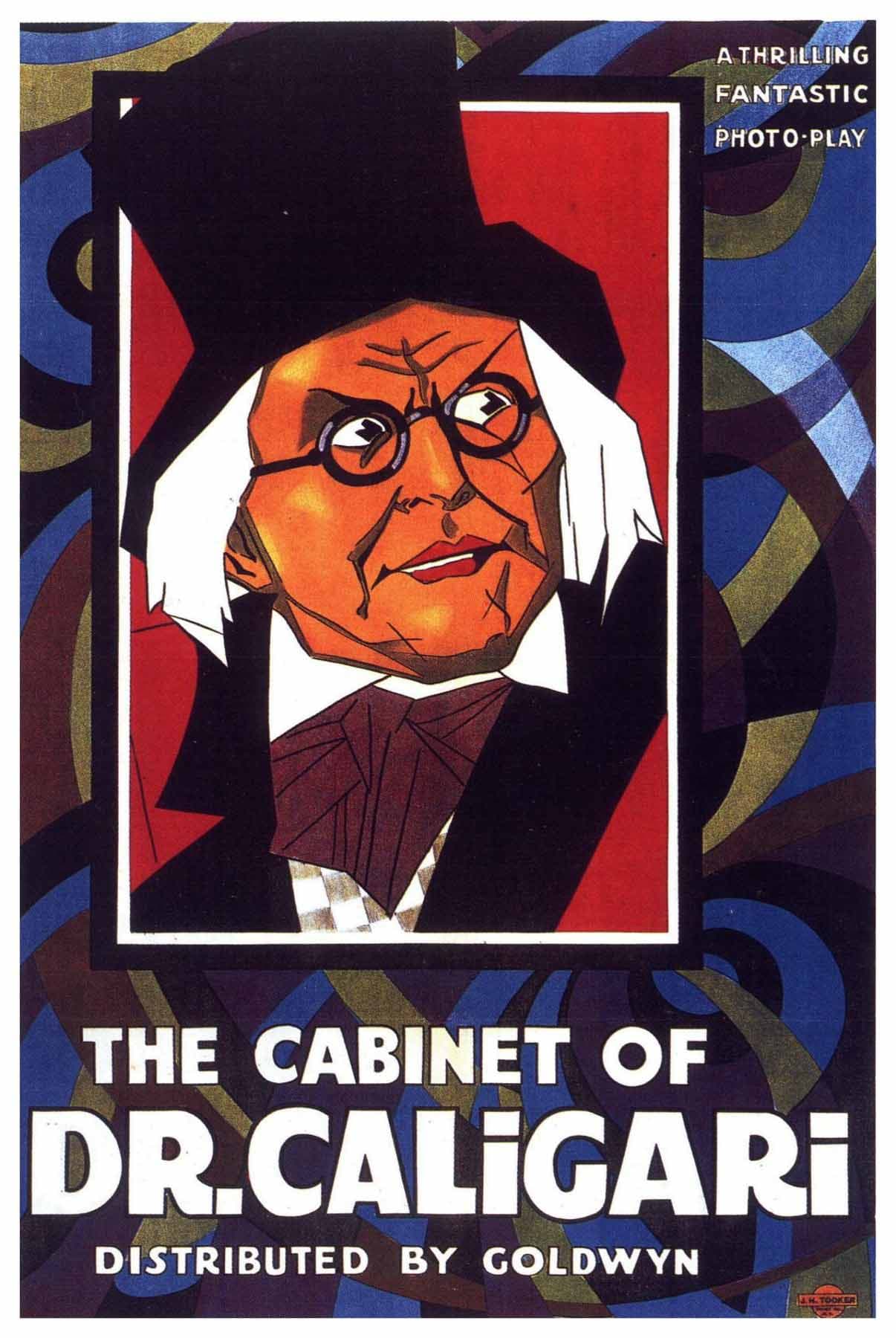
Read the craftThe Cabinet of Dr. Caligari
Das Cabinet des Dr. Caligari · 1920 · Erich Ludwig Stahl & Otto Arpke
Der Golem, wie er in die Welt kam
Der Golem, wie er in die Welt kam · 1920
Battleship Potemkin
Bronenosets Potyomkin · 1925
The Gold Rush
The Gold Rush · 1925
Metropolis — the Bilinsky Paris One-Sheet
Metropolis · 1927 · Boris Bilinsky
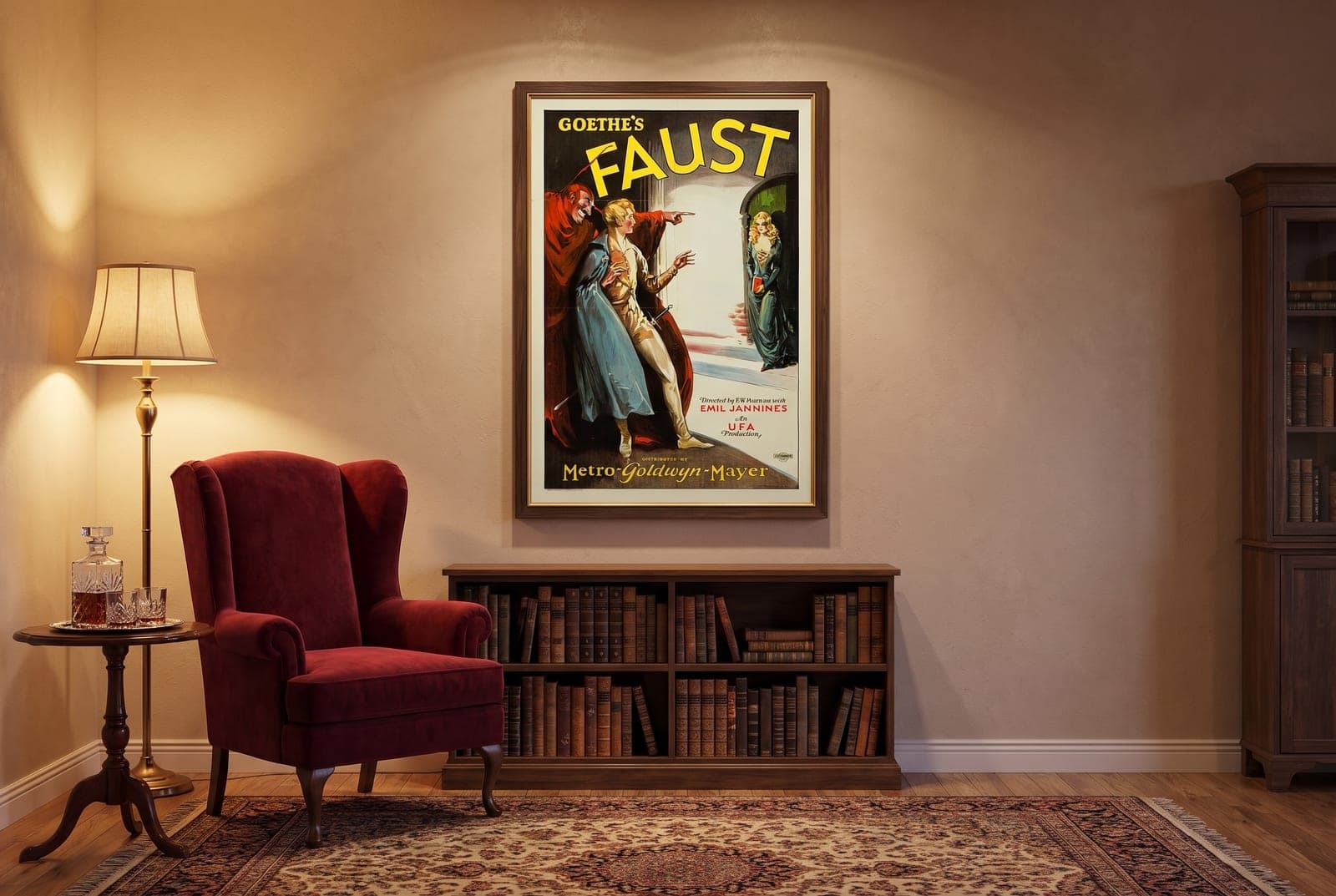
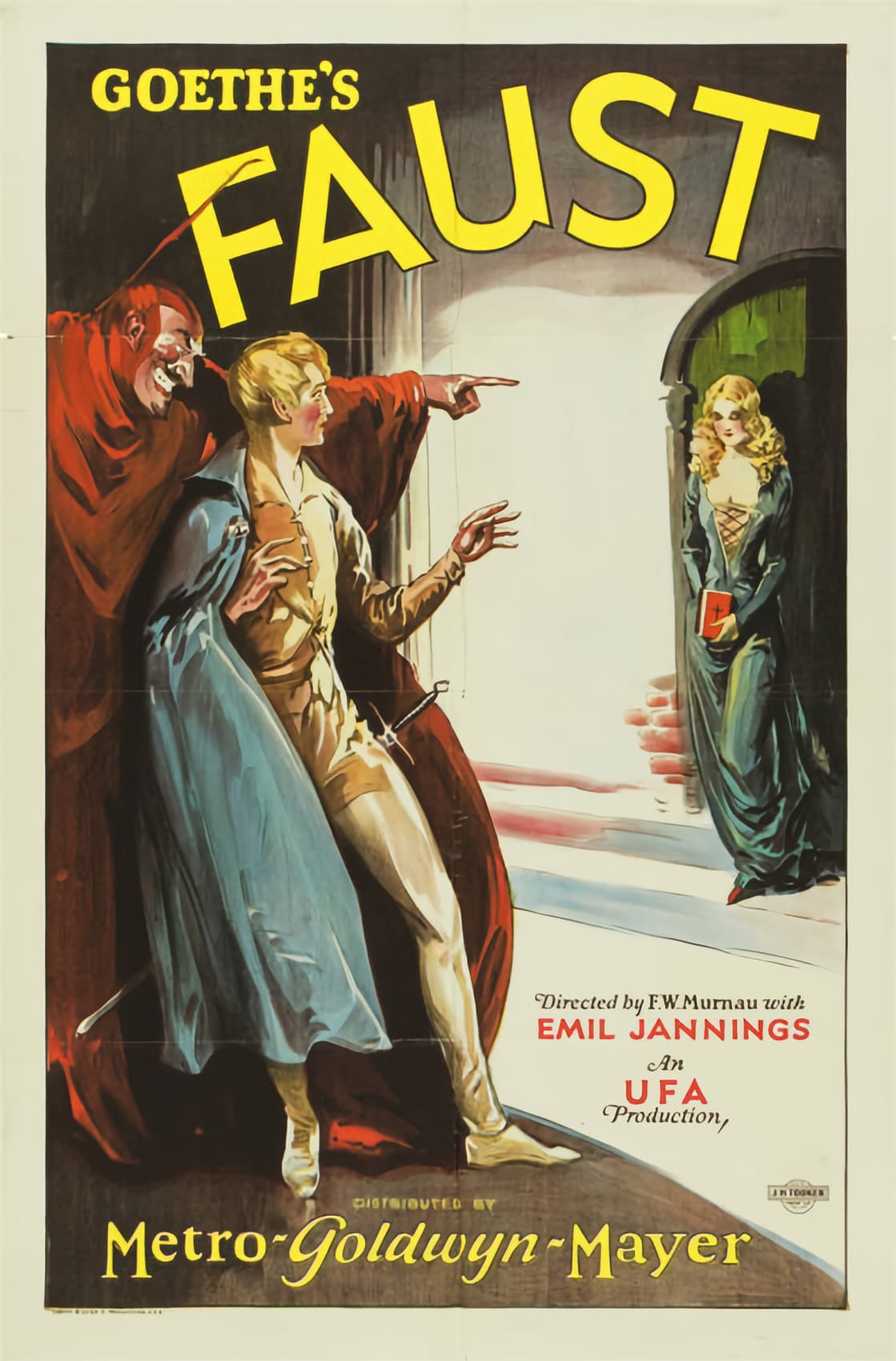
Faust
Faust · 1926
Der müde Tod
Der müde Tod · 1922 · Francisco Tamagno
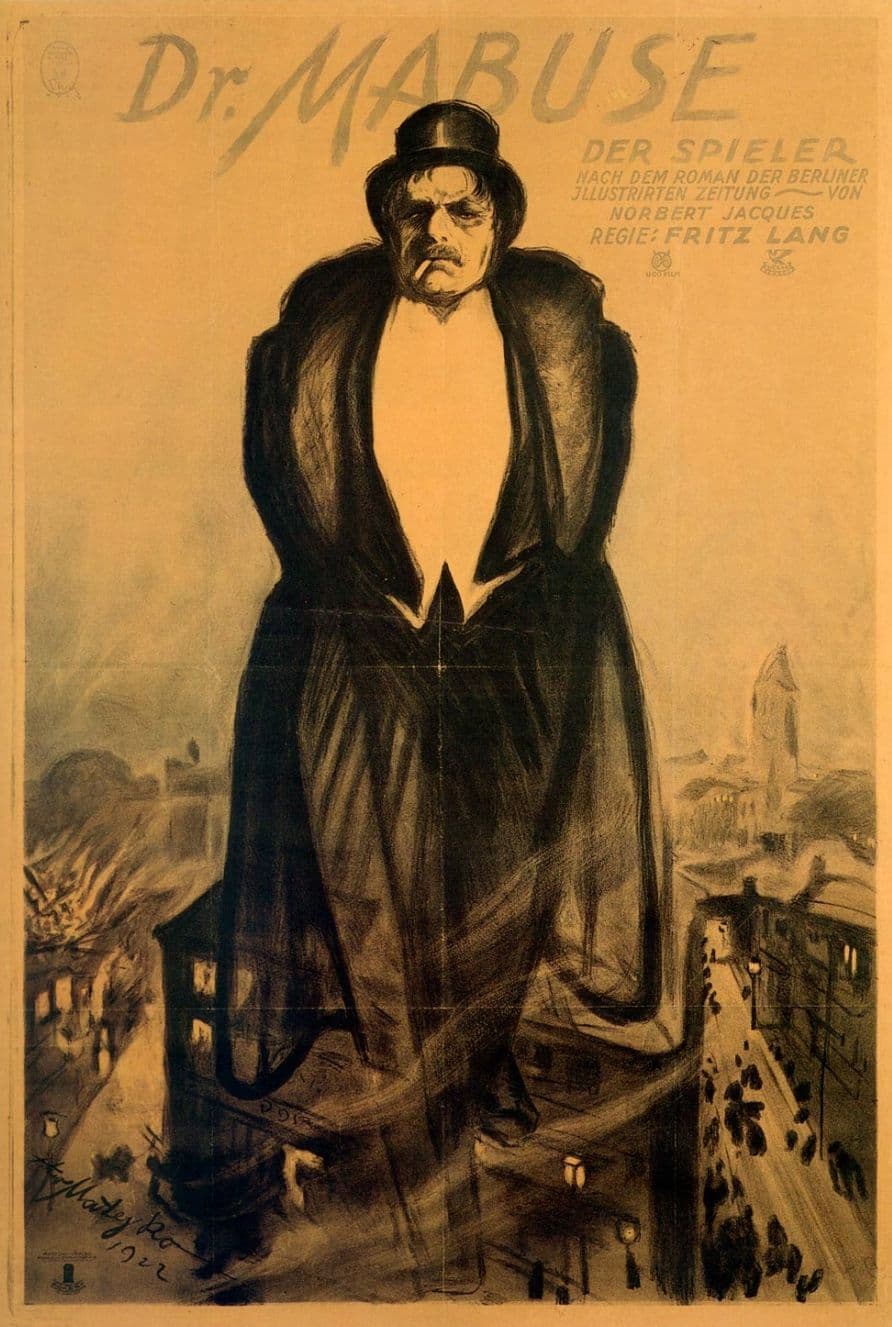
Dr. Mabuse, der Spieler
Dr. Mabuse, der Spieler · 1922 · Theo Matejko